
Last updated November 22, 2026
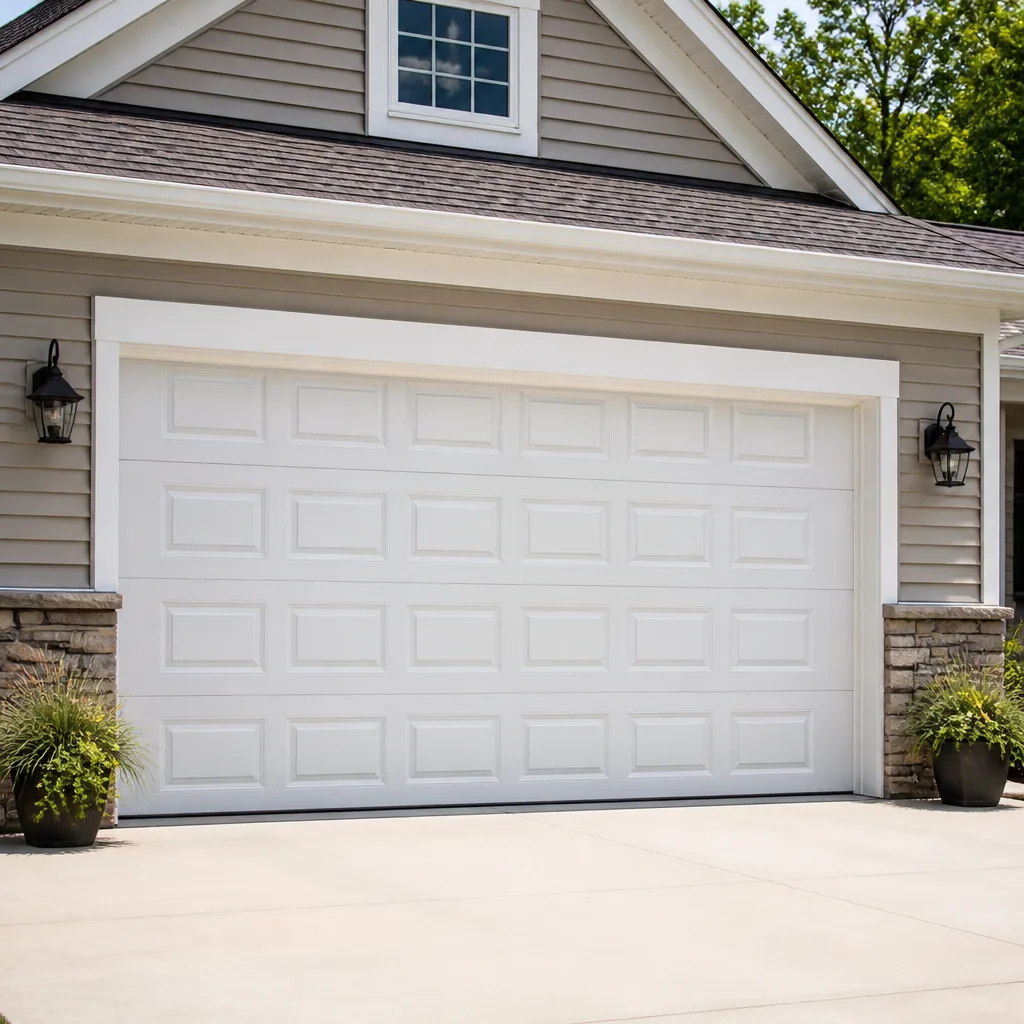 Raised-panel steel
 Carriage house
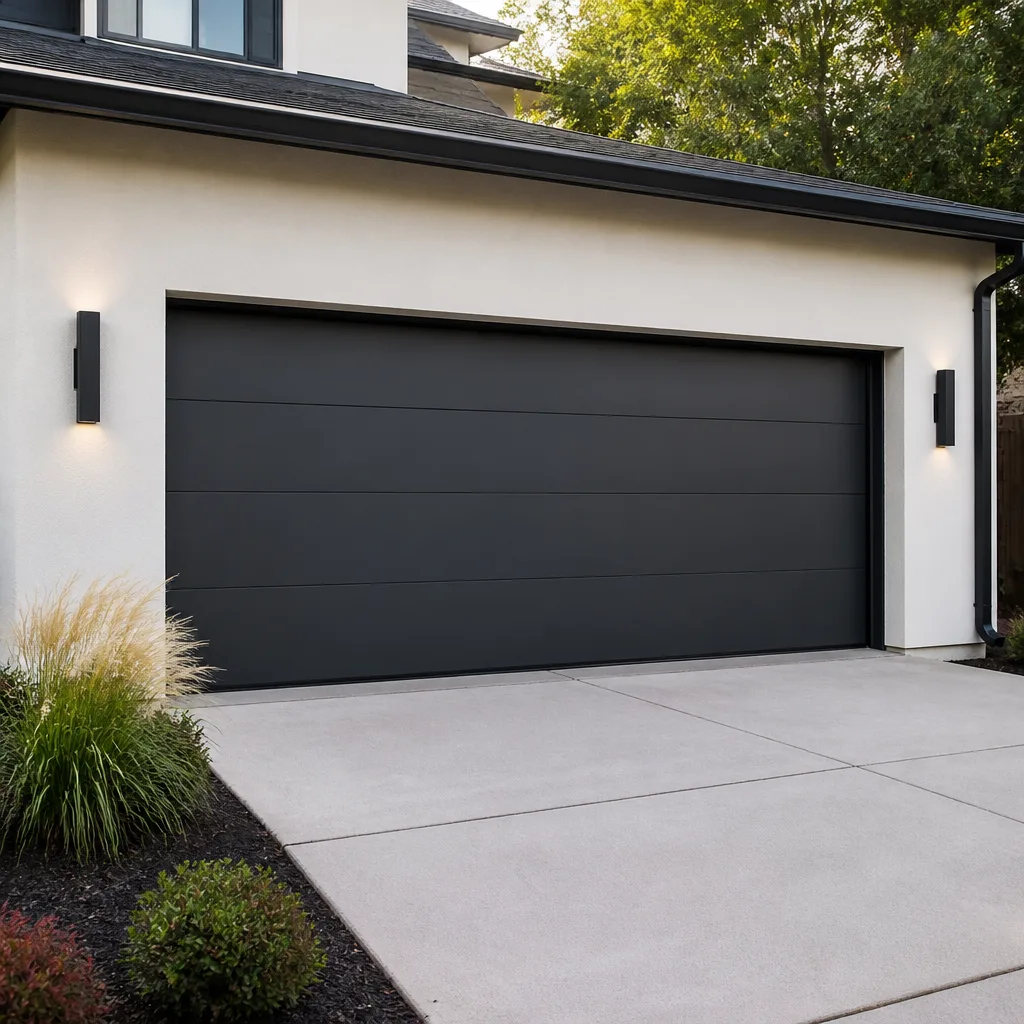 Modern flush
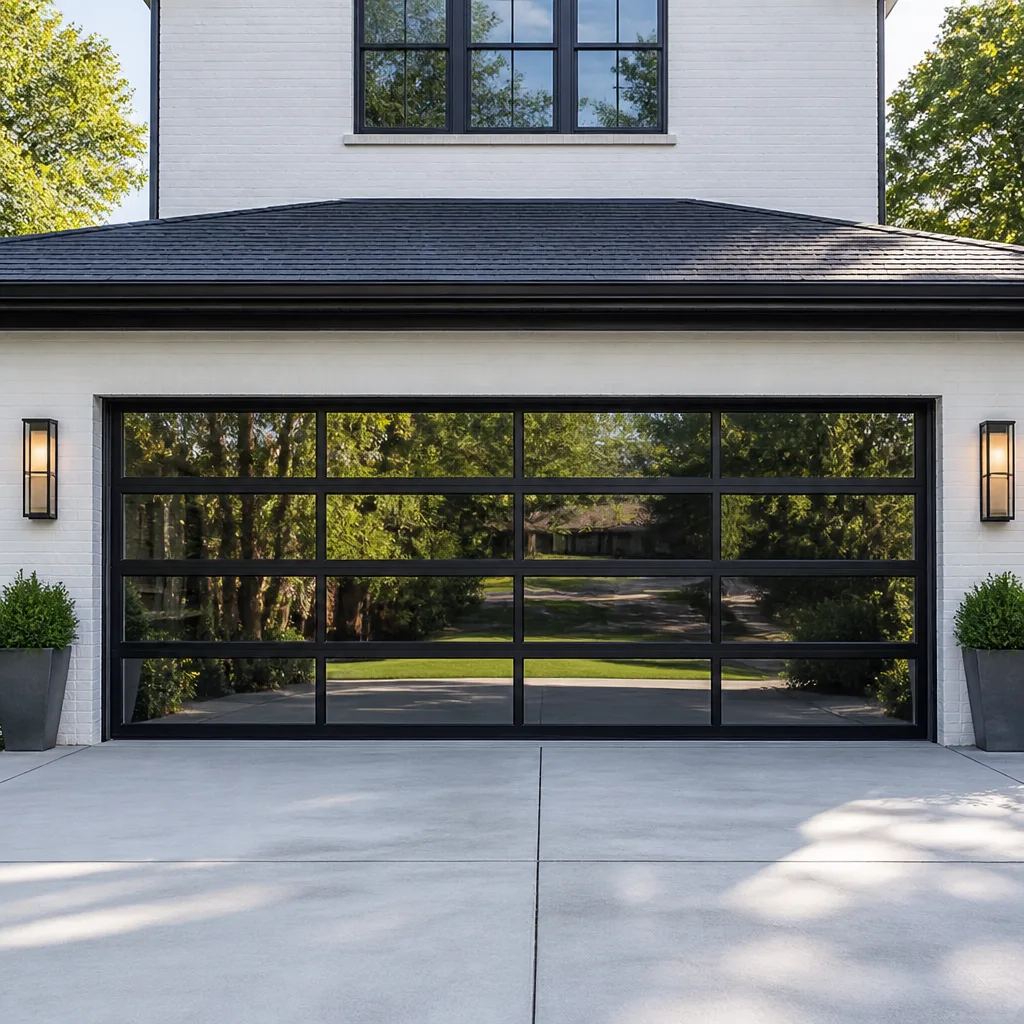 Full-view glass
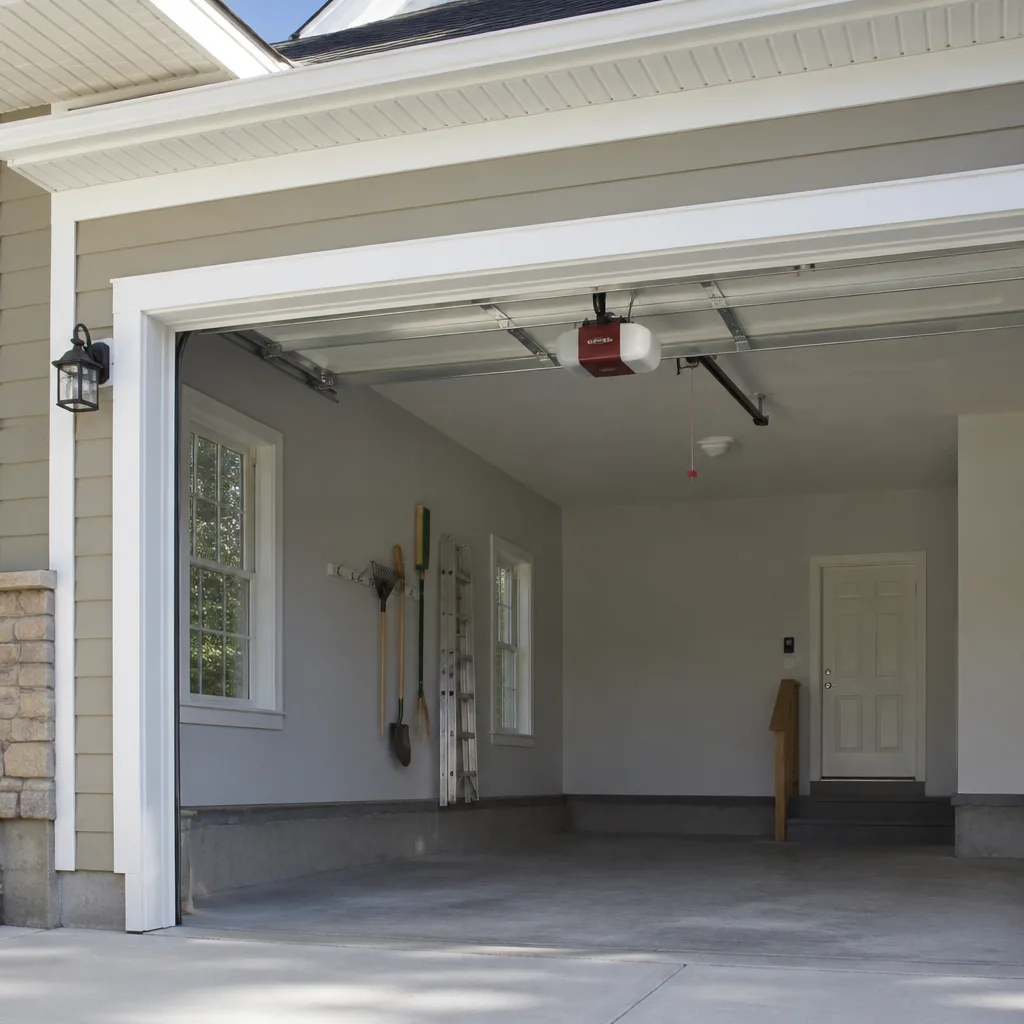 LiftMaster openers
 Chamberlain openers
Full 25-point door and opener safety check with every visit - springs, cables, rollers, tracks, and your LiftMaster or Chamberlain opener included
You get a price before we start. It does not change when the pro arrives.
Get your free estimateSeasonal Garage Door Care for Pompano Beach: Year-Round Homeowner’s Guide
Here’s a reality most maintenance calendars get wrong: Pompano Beach doesn’t have four seasons. It has hurricane season and everything else. That means the standard spring-summer-fall-winter garage door checklist you’ll find on national sites doesn’t fit South Florida’s actual calendar. Your door faces wind-load pressure in late summer, soaked bottom seals in the wet months, and drier hardware that likes being serviced when humidity drops. The busiest stretch for spring and track failures in Pompano Beach tends to land in the weeks right after the storm season peaks, when deferred maintenance and weather stress meet at the same time. This guide restructures garage door care around the real South Florida year, with a month-by-month timeline you can calendar rather than react to.
Quick Answer
Garage door care in Pompano Beach should follow the local climate calendar, not a four-season one. Test and lubricate hardware in the dry season (roughly November through April), verify wind-load hardware and battery backup by May before the storm season starts, and run a full post-storm inspection after any major wind or rain event. Handle the brief cold snaps in the 40s by checking spring tension and opener speed, and treat the season as storm prep plus storm recovery with a hardware tune-up in between.
Styles & brands we work with
- Raised-panel steel
- Carriage house
- Modern flush
- Full-view glass
- LiftMaster openers
- Chamberlain openers
Table of Contents
- Why the Standard Four-Season Checklist Doesn’t Work Here
- Pre-Season Prep (May): The Checklist That Matters Most
- Post-Storm Inspection Protocol: What to Check Before You Assume It’s Fine
- Dry Season (November to April): When to Lubricate and Treat Metal
- Cold Snaps in the 40s: Spring Tension and Opener Speed
- The Full Month-by-Month Care Calendar
- Common Mistakes to Avoid
- When to Call a Professional
Why the Standard Four-Season Checklist Doesn’t Work Here
National garage door guides assume a cold winter that kills off humidity, a dry spring, a hot summer, and a leaf-drop fall. Pompano Beach doesn’t offer any of that. What your door actually faces is a long wet season with heavy rain and gusty wind, a dry season when the air and the hardware calm down, and a handful of genuinely cool nights that catch people off guard. Building your maintenance around a Minnesota calendar wastes the best window for lubrication and skips the one that matters most for storm readiness.
The climate does specific things to a garage door system:
- Humidity and rain work on the bottom seal, hinges, and any exposed metal. Seals that sit in damp conditions lose their flex and start letting water and pests under the door.
- Wind events load the panels, hinges, and fasteners. Even a door that stays closed during a storm can shift slightly at the hinges and track.
- Dry-season air is the cleanest time to lubricate springs, rollers, and hinges, because you’re not fighting moisture or grit.
- Short cool snaps change how the springs feel and how fast the opener runs, usually for a night or two at a time.
In our experience across Pompano Beach, doors that get serviced on this local rhythm last longer between repairs than doors following a generic calendar. It’s the same door and the same parts, just the right timing. Homeowners in neighborhoods from Cresthaven to Palm Aire deal with the same southern Broward weather, so the schedule works whether you’re a few blocks from the Intracoastal or further inland near Cypress Bend.
Pre-Season Prep (May): The Checklist That Matters Most
May is the window to get the door ready before storm season proper. This is your highest-value maintenance block of the year, and it’s the one homeowners most often skip because the weather is still calm and the door still works. The work is about verifying things hold under wind load and that you’re not stuck with a dead door after a power loss.
Walk through these in order:
- Verify wind-load hardware. Check every hinge screw and lag bolt along the tracks and panels. Loose fasteners are the first thing wind finds. Tighten what’s loose and replace any screw backing out of stripped wood or metal.
- Inspect the bottom seal. Look for cracks, flattening, or gaps at the floor. A failing seal lets water, heat, and pests in, and it also throws off the safety reverse test. Replace it if it doesn’t sit evenly against the floor.
- Test the opener battery backup. If your opener has a battery backup, pull the power and watch whether the door cycles. If it doesn’t, the battery is due for replacement before the storm season. Homeowners with LiftMaster or Chamberlain openers have a built-in advantage here because battery backup is standard on many of those models.
- Run the safety reverse test. Place a block of wood under the door and close it. The door should reverse on contact. Adjust or repair if it doesn’t.
- Clear the tracks and test manually. Pull the release, lift the door by hand, and confirm it moves smoothly and stays put when half-open. A door that slams down or feels very heavy points to spring trouble that should be handled before storm season.
If any of these fail, that’s the moment to book a technician, not September when everyone else is calling. Our Pompano Beach garage door repair page covers the full scope of what we handle, from a single misaligned hinge to a full track realignment after a storm.
Post-Storm Inspection Protocol: What to Check Before You Assume It’s Fine
The days after a major wind or rain event are when we see the most spring failures and bent tracks. Doors that came through the storm looking untouched often have subtle damage: a hinge bent a few degrees, a panel that shifted in its stiles, a track that’s slightly out of plumb. That quietly loads the springs unevenly, and a few weeks later the spring snaps. A short inspection after every significant weather event catches problems before they compound.
After a storm, check these in order:
- Open the door from the outside by hand. Release the opener, lift the door, and let it rest at half height. If it moves roughly, binds, or won’t stay put, something has shifted.
- Look at the panel alignment. Stand ten feet back and check for gaps between panels or a slight twist. Even a small bend loads the hinges and springs unevenly.
- Inspect the tracks for plumb and dents. A dented track pinches the rollers. A track knocked out of plumb makes the door bind on one side.
- Check for water intrusion at the bottom seal and floor. Look for damp spots under the door and pooling near the tracks. Persistent moisture corrodes hinges and rollers.
- Test the opener after the power is steady. Run the door up and down once, listen for new grinding or hesitation, and re-test the safety reverse.
- Watch the springs. A spring that has lost tension or has a small gap in the coils is on its way out. Do not touch springs or cables – call a technician.
Springs and cables carry enough stored energy to cause serious injury. If something looks off at the spring or cable, stop and call. Our dedicated spring repair service exists because this is the single most common failure point in a garage door system and the one most likely to hurt someone untrained.
Dry Season (November to April): When to Lubricate and Treat Metal
The dry season is the best window for hardware care in Pompano Beach. Lower humidity means lubricant stays where you put it, metal surfaces dry out enough to be treated, and you’re not fighting moisture that dilutes or displaces grease. If you only do one maintenance pass a year on the moving parts, do it here, in November or early December, and then again mid-season if you’re thorough.
Tasks that fit the dry-season window:
- Lubricate springs. Use a garage-door-specific lubricant on the spring coils. Never use WD-40 or general spray oil, which attract grit. This is a spray-on task, not a spring-adjustment task – you’re not touching tension.
- Lubricate rollers and hinges. A few drops on each hinge knuckle and a light coat on the roller stems keeps the door moving smoothly.
- Wipe down the tracks. A dry cloth and a light solvent remove grit that has built up through the wet months. Don’t grease the tracks; they’re meant to run dry.
- Treat exposed metal. Light surface rust on hinges or fasteners can be cleaned and hit with a light oil. If you see rust on the panels, touch it up with a matching paint to keep it from spreading.
- Re-check the bottom seal. After a wet season, the seal is the part most likely to have worn. A replacement seal is a small job that pays off through the next storm season.
If your opener has been acting up – sluggish response, a remote that only works up close, a light that flickers – dry season is also the low-stress window to book our garage door opener repair rather than waiting until the door fails during a storm. Homeowners with Genie or Craftsman openers often find that a full tune-up plus a fresh battery in the remote extends the life of the unit by years.
Cold Snaps in the 40s: Spring Tension and Opener Speed
Pompano Beach does get the occasional cool night, and when the temperature drops into the 40s something subtle happens to your door. Springs tighten up and feel stiffer. Lubricant thickens and moves more slowly. Opener motors work a little harder on the first cycle of the morning. None of this is a failure, but a door that’s already near the edge of its adjustment can tip over on a cool night, and a spring that’s been running loose for months is more likely to snap when the metal contracts.
What to check during a cold snap:
- Listen on the first cycle of the morning. A door that grinds, hesitates, or reverses unexpectedly on a cool morning is telling you something. Warm it up by running it up and down once or twice.
- Check the opener speed setting. If your opener has a speed or force adjustment, cool-weather stiffness can trigger the safety reverse. A technician can adjust the force profile so the door cycles smoothly at both temperature extremes.
- Look at the springs. A cool-night stiffening makes a worn spring more obvious. If the door feels heavier than usual, that’s a spring check, not a “wait and see” situation.
- Don’t force it. If the door won’t move on a cool morning, don’t hold the opener button down. Call and get it looked at.
The one adjustment most homeowners can make on their own is the opener’s force setting, but only if the manual spells out exactly how. If it doesn’t, leave it. A mis-set force adjustment is a safety problem. A quick call to book a full opener check covers it without guesswork.
The Full Month-by-Month Care Calendar
Print this and stick it inside the garage door. Each entry is a small task or check, not a full service, and the whole calendar adds up to a few hours a year. When a check turns up something bigger, that’s a good time to call a technician.
- January: Dry-season lubrication pass. Springs, hinges, roller stems. Wipe down tracks.
- February: Test safety reverse. Check remote batteries. Look for rust on hinges and fasteners.
- March: Inspect the bottom seal for wear from the wet months. Replace if it’s flat or cracked.
- April: Verify all hinge screws and track bolts. Run the door by hand and check that it stays put when partway open.
- May: Full pre-season prep. Wind-load hardware, bottom seal, opener battery backup, safety reverse re-test. Book a technician if anything looks off.
- June – October: Storm season. Test the opener and safety reverse monthly. Inspect after any significant wind or rain event using the post-storm protocol.
- November: Dry-season lubrication pass returns. Wipe down tracks and re-treat exposed metal.
- December: Check the full opener cycle, listen for new grinding, and refresh remote batteries.
The single most useful habit is testing the door manually once a month. Lift it by hand, feel for binding, and let it sit half-open to check the balance. Anything that feels off in that minute is worth more than any checklist. Homeowners in Pompano Beach who follow this calendar tend to catch spring and track problems months before they become emergency calls.
Common Mistakes to Avoid
- Following a national winter-maintenance calendar. Cold-season advice about frost and ice doesn’t apply here. Pompano Beach doors need storm-season and dry-season care, not a deicing routine.
- Skipping the pre-season check because the door “still works.” Wind-load hardware and battery backup are about what happens during a storm, not before it. Verify in May rather than discovering the problem mid-storm.
- Lubricating springs with the wrong product. WD-40 and general-purpose oil attract grit. Use a garage-door-specific lubricant, and never touch the spring tension itself.
- Assuming the door is fine after a storm because it closes. Panels, tracks, and springs can take damage that doesn’t show until the load adds up weeks later. Run the inspection protocol.
- Ignoring a cool-morning hesitation. A cold snap exposes spring and opener problems early. Address them in the cool window rather than waiting for a full failure.
- Replacing the whole door when the opener or a spring is the actual problem. Most failures are a part, not the door. Get a diagnosis before you commit to a new door.
- Letting the bottom seal go. A worn seal lets water, heat, and pests in and throws off the safety reverse test. Replace it, don’t ignore it.
- Forcing a stuck door. If the door won’t move, holding the button doesn’t fix it. Call a technician.
When to Call a Professional
Some garage door jobs are genuine technician work, not a weekend project. Call a professional if any of these come up:
- A spring has snapped, lost tension, or has a visible gap in the coils.
- The door is off its tracks, bent, or won’t close fully.
- The opener runs but the door doesn’t move, or the door reverses without interference.
- You hear grinding, snapping, or loud popping from the springs or opener.
- A storm has visibly shifted the panels, tracks, or hinges.
- You’re not sure, and the safety reverse test fails or feels wrong.
Springs and cables hold stored energy that can cause serious injury, so leave the tension side to a trained technician. Our technicians have up to 8 years of experience across the most widely installed brands, and Pompano Beach Garage Door Repair Co offers free estimates in Pompano Beach – call (855) 658-4102 to book. We answer 24/7. Fast dispatch from 7am to 7pm, Sunday through Friday, and closed Saturday. The price is quoted and agreed before any work starts, so there’s no surprise invoice after the job.
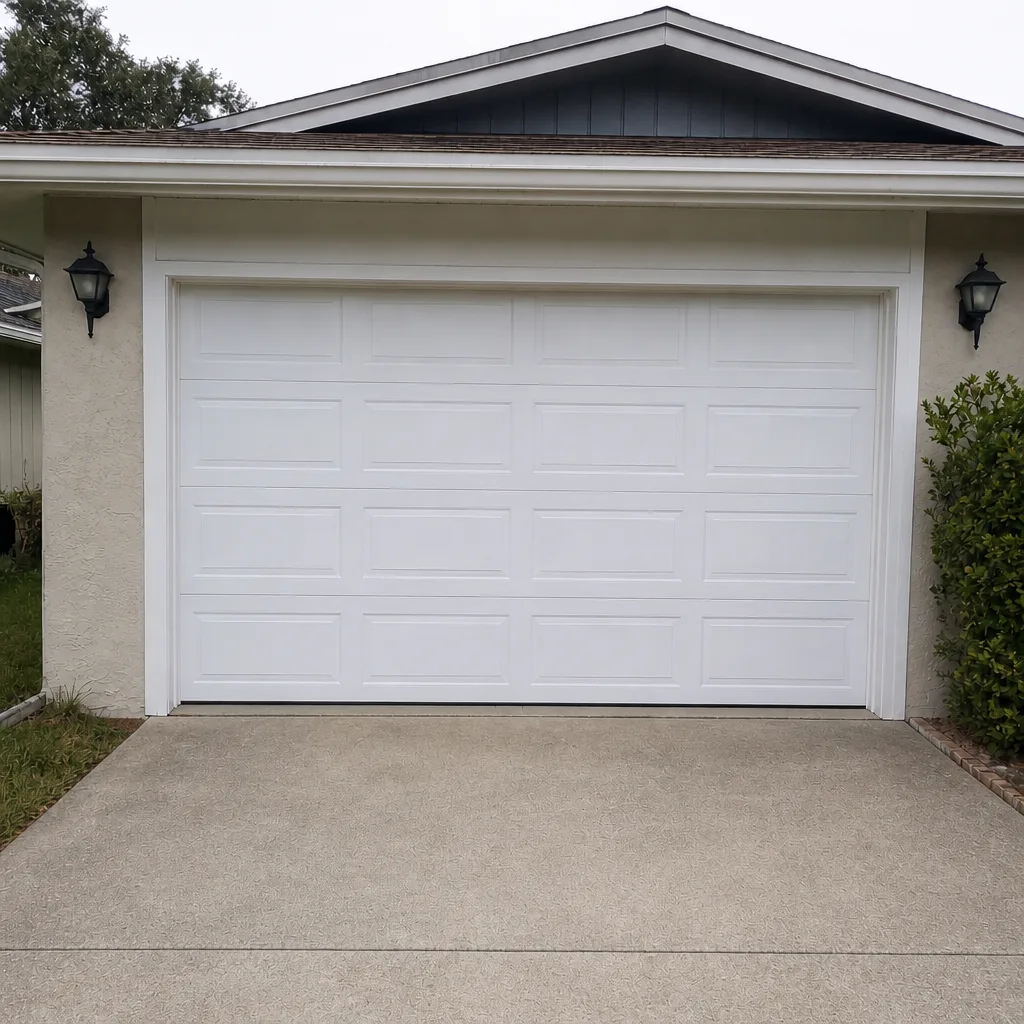
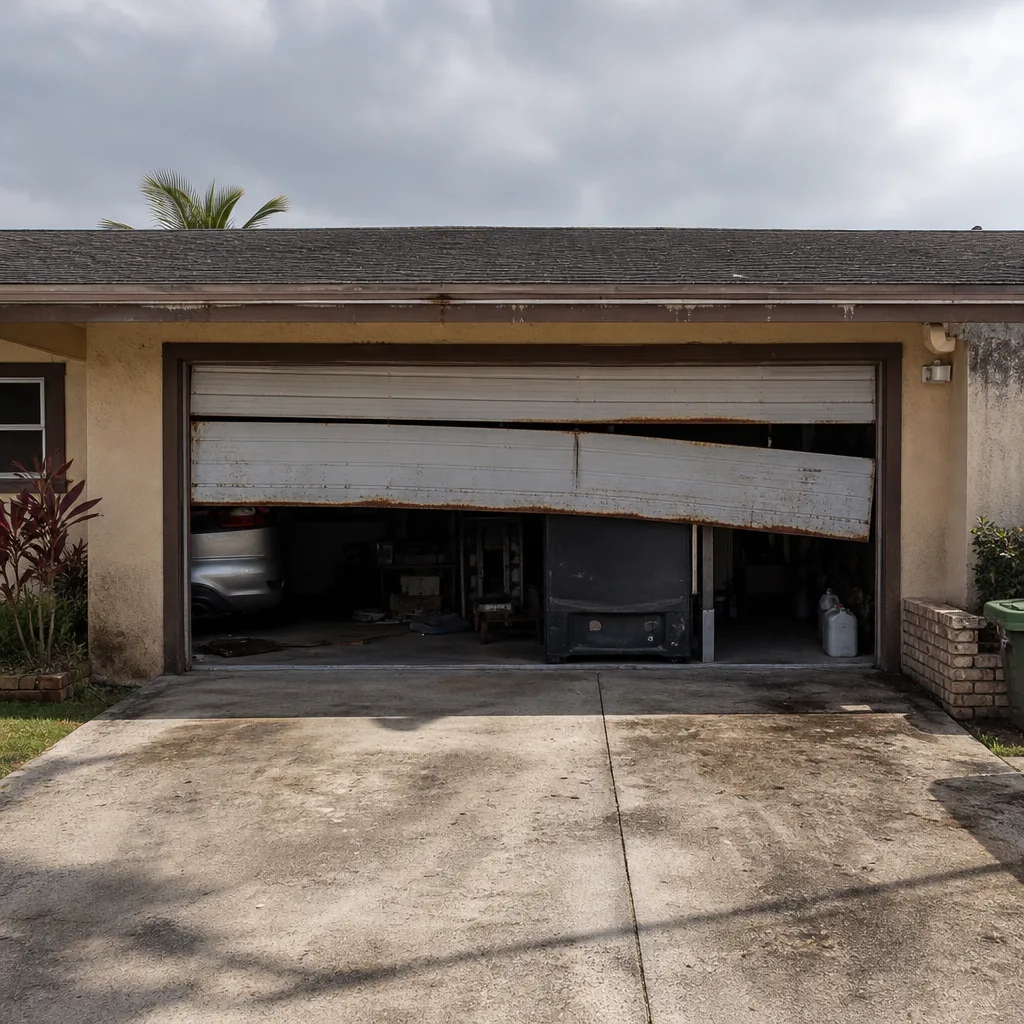
See the difference
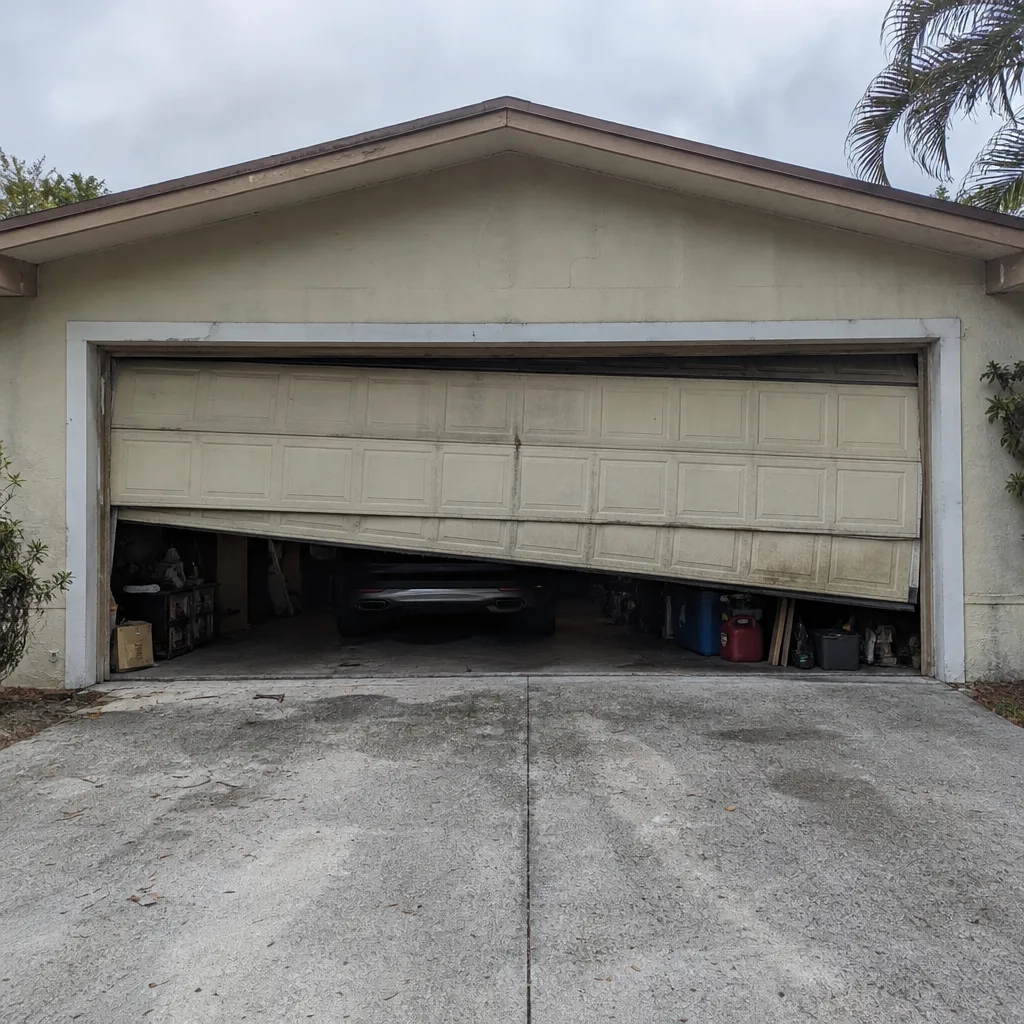 Before
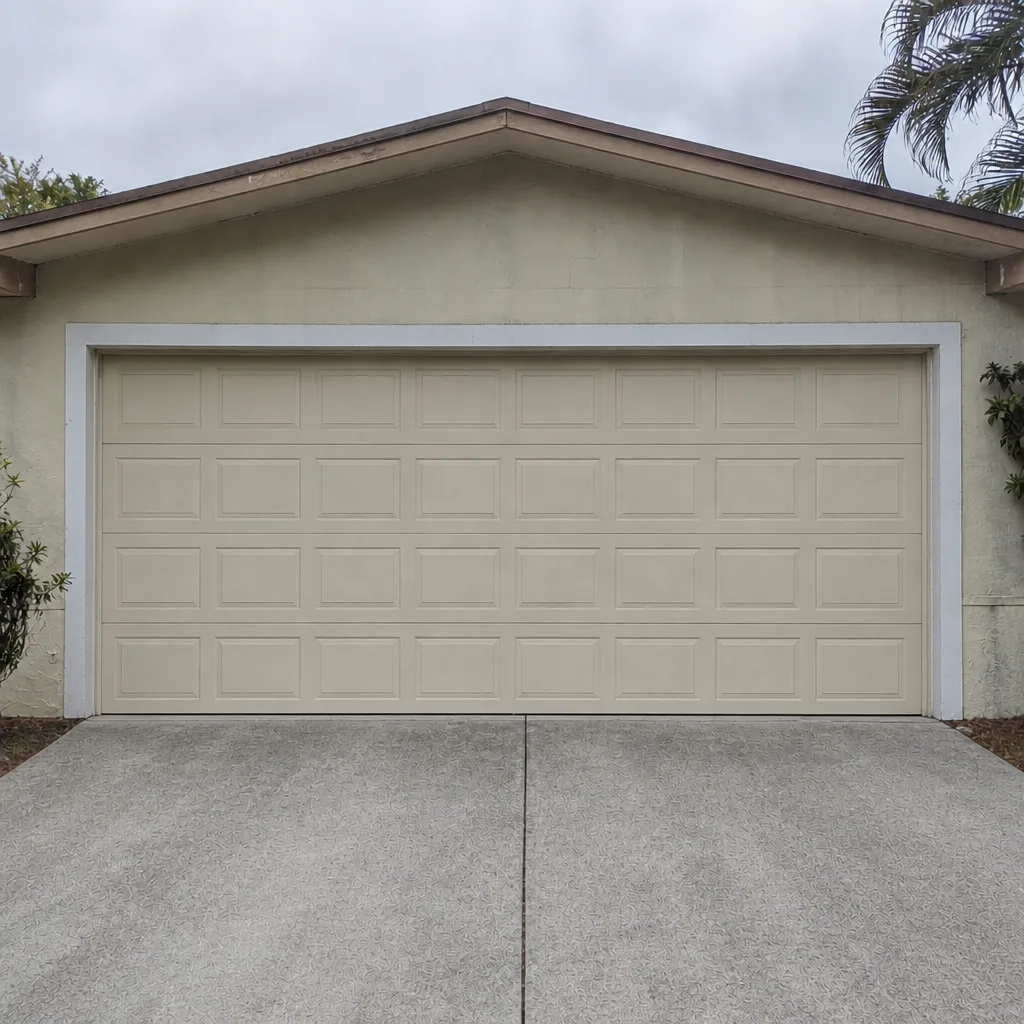 After
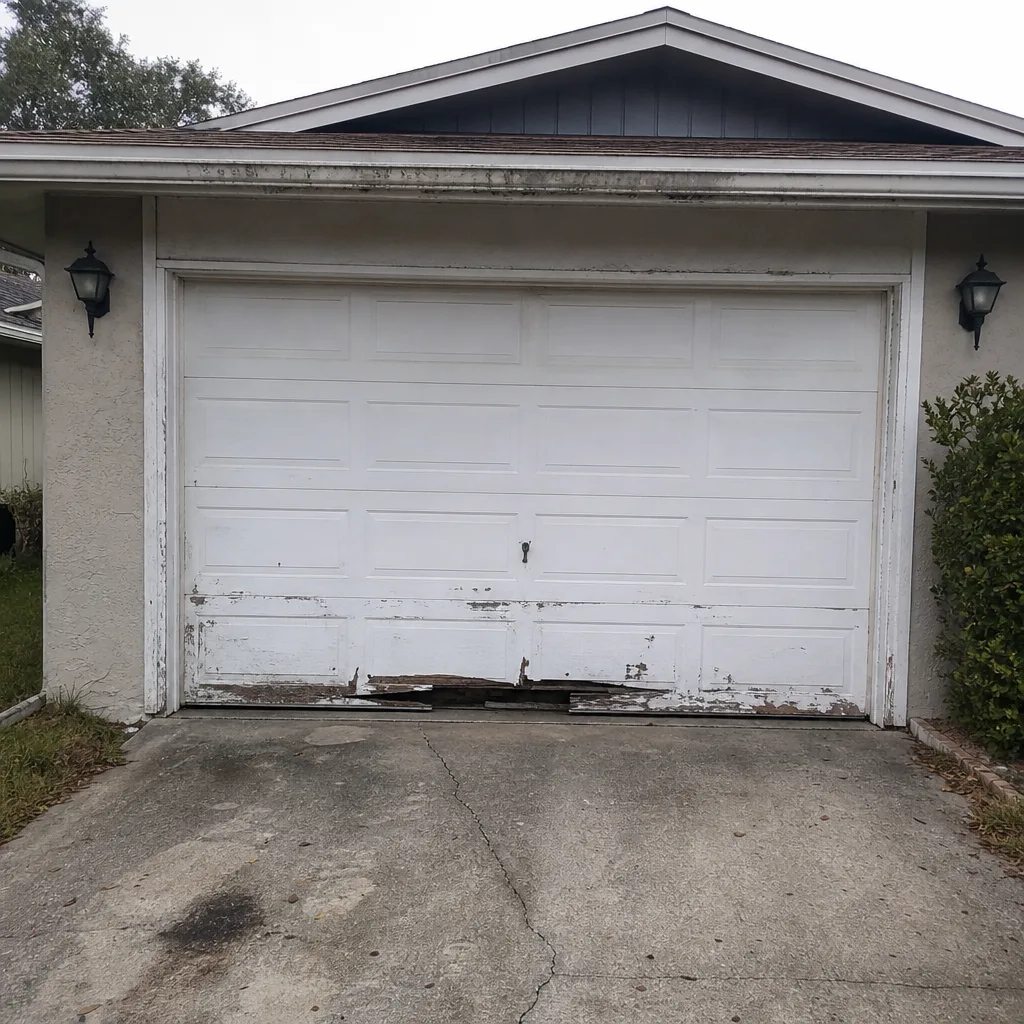 Before
 After
 Before
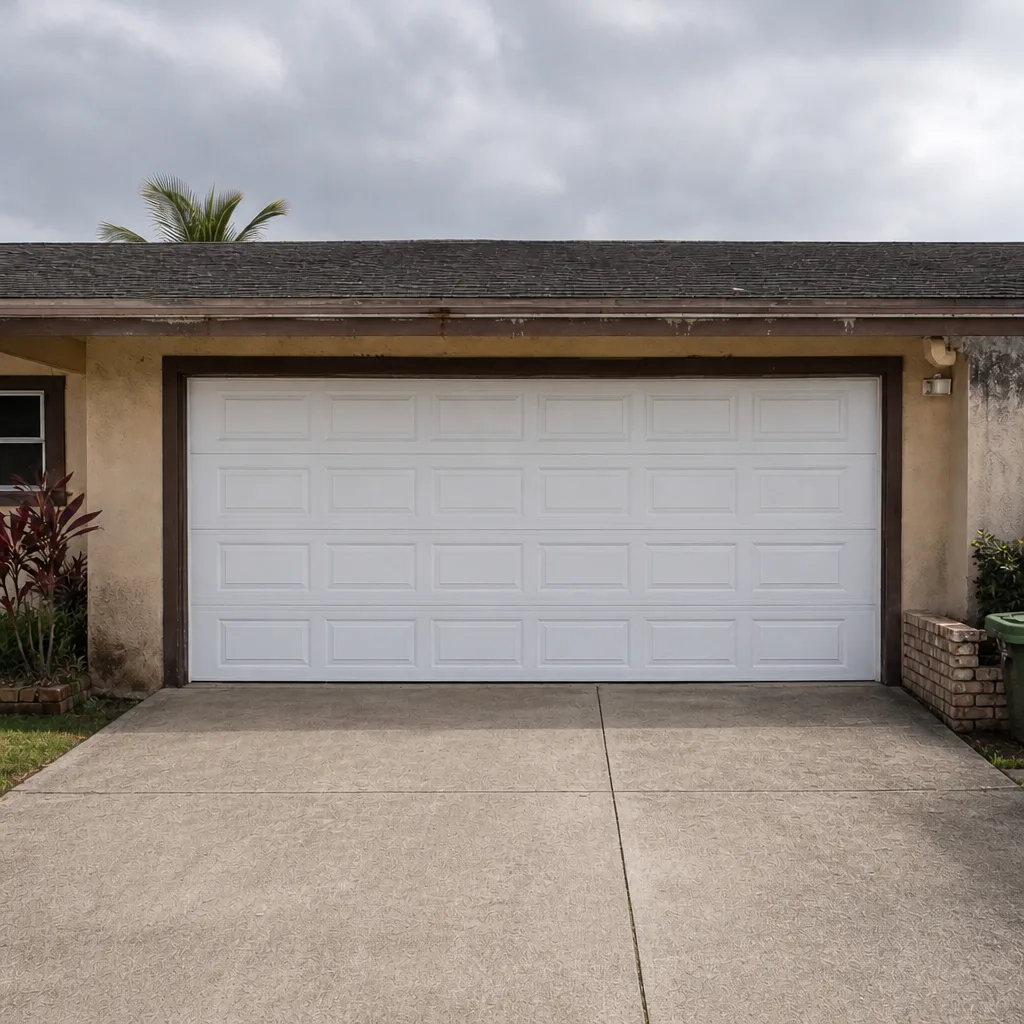 After
Frequently Asked Questions
Once a year is a reasonable minimum, but in Pompano Beach the right rhythm is a dry-season lubrication pass in November and a pre-storm check in May. Add a post-storm inspection after any major weather event, and monthly manual tests between. That’s storm-season care plus dry-season care, not a standard four-season calendar. Call (855) 658-4102 for a free estimate on a full tune-up.
Verify the wind-load hardware on hinges and tracks, inspect and replace the bottom seal if it’s worn, test the opener battery backup, and re-run the safety reverse test. Run the door by hand to confirm it moves smoothly and stays put partway open. Any spring or cable concern should go to a technician. Call (855) 658-4102 for a free pre-season estimate.
Yes. Run a full post-storm inspection even if the door closes normally. Check panel alignment, track plumb, hinge screws, and the bottom seal, then test the opener and safety reverse. Problems from a storm often don’t show for a few weeks. If anything looks off, or the spring has lost tension, call a technician. Call (855) 658-4102 for a free estimate.
Yes, in subtle ways. Springs stiffen, lubricant thickens, and the opener works harder on the first cycle of the morning. A door that’s already near the edge of its adjustment can fail on a cool night. Check for hesitation or grinding on the first cycle, and have the opener force setting checked if the door struggles. Call (855) 658-4102 for a free estimate.
You can spray a garage-door-specific lubricant on the spring coils without touching the tension. Do not adjust the spring or try to test it by hand; that’s where serious injuries happen. If the door feels heavy or won’t stay put partway open, call a technician rather than trying to fix it. Call (855) 658-4102 for a free estimate on spring service.
Yes. Emergency garage door service is a core offering, not an upsell. If the door won’t close, a spring has snapped, or the opener has failed, call (855) 658-4102. We answer 24/7. Fast dispatch from 7am to 7pm, Sunday through Friday, and closed Saturday. A call outside dispatch hours is booked into the next opening, Sunday through Friday, 7am to 7pm. The price is set per job by the written estimate, quoted and agreed before any work starts.
We work on the brand you already have. Our technicians cover eight of the most widely installed door and opener brands, including LiftMaster, Chamberlain, Genie, Clopay, Amarr, Wayne Dalton, Craftsman, and Raynor. That means opener repairs on LiftMaster and Chamberlain systems (the two leading smart-home-compatible platforms) plus spring, track, and panel work on the doors those systems operate. Call (855) 658-4102 for a free estimate.
The Bottom Line
Pompano Beach doesn’t have four seasons for your garage door; it has storm season and a dry season. Reverse the calendar: prep wind-load hardware and battery backup in May, run a full post-storm inspection after any major wind or rain event, and save the lubrication and metal treatment for November through April. Watch for the short cold snaps in the 40s and treat any morning hesitation as a signal. Most failures in Pompano Beach are preventable with a small amount of timing rather than a big budget. Print the month-by-month calendar, run the manual test monthly, and call a technician the moment a spring or track issue shows up. The door is your primary entry point, and it’s worth the year-round care.
Call (855) 658-4102 for a free estimate. We answer 24/7. Fast dispatch from 7am to 7pm, Sunday through Friday, and closed Saturday. Whether you need a tune-up, a spring repair, a full garage door installation, or a full diagnostic on your opener, our team handles the brand you already have. For the full scope of what we do, start at Pompano Beach Garage Door Repair Co.
Written by the team at Pompano Beach Garage Door Repair Co.