
Last updated November 22, 2026
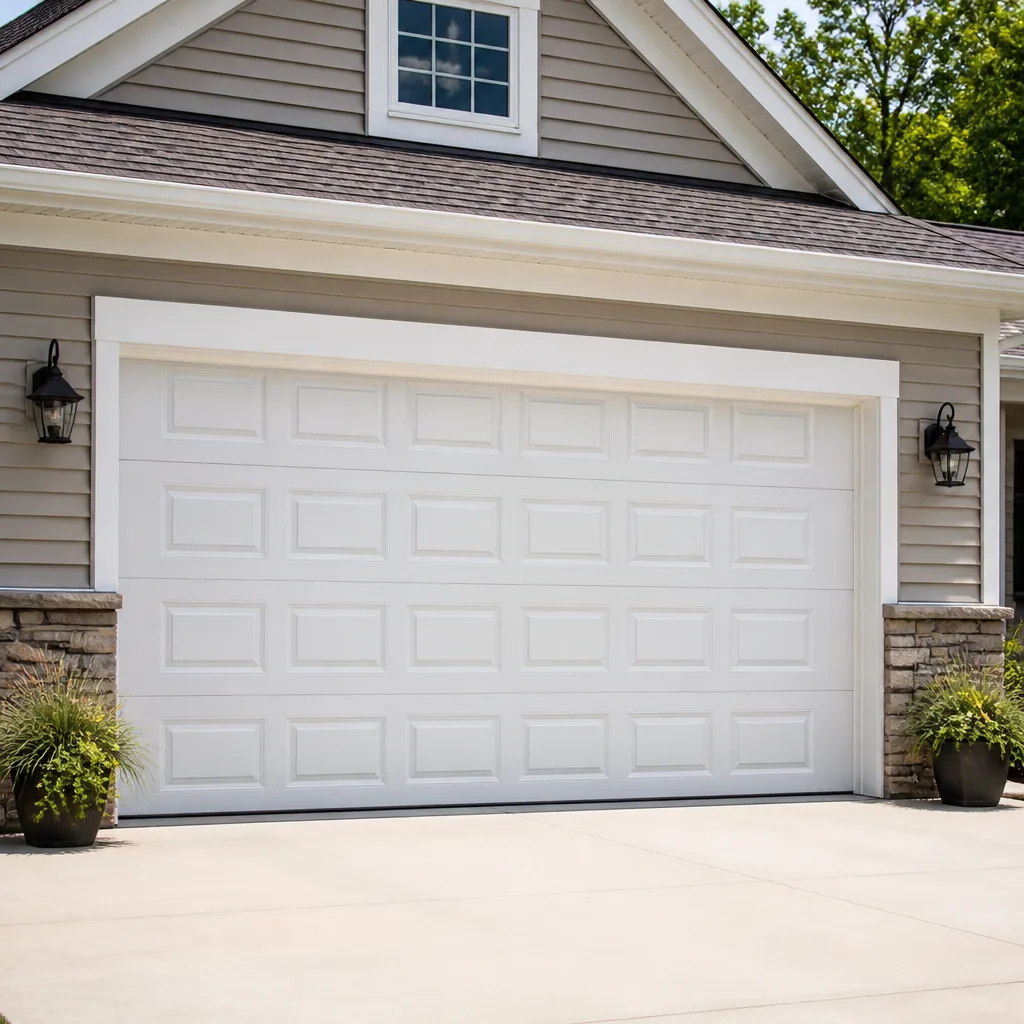 Raised-panel steel
 Carriage house
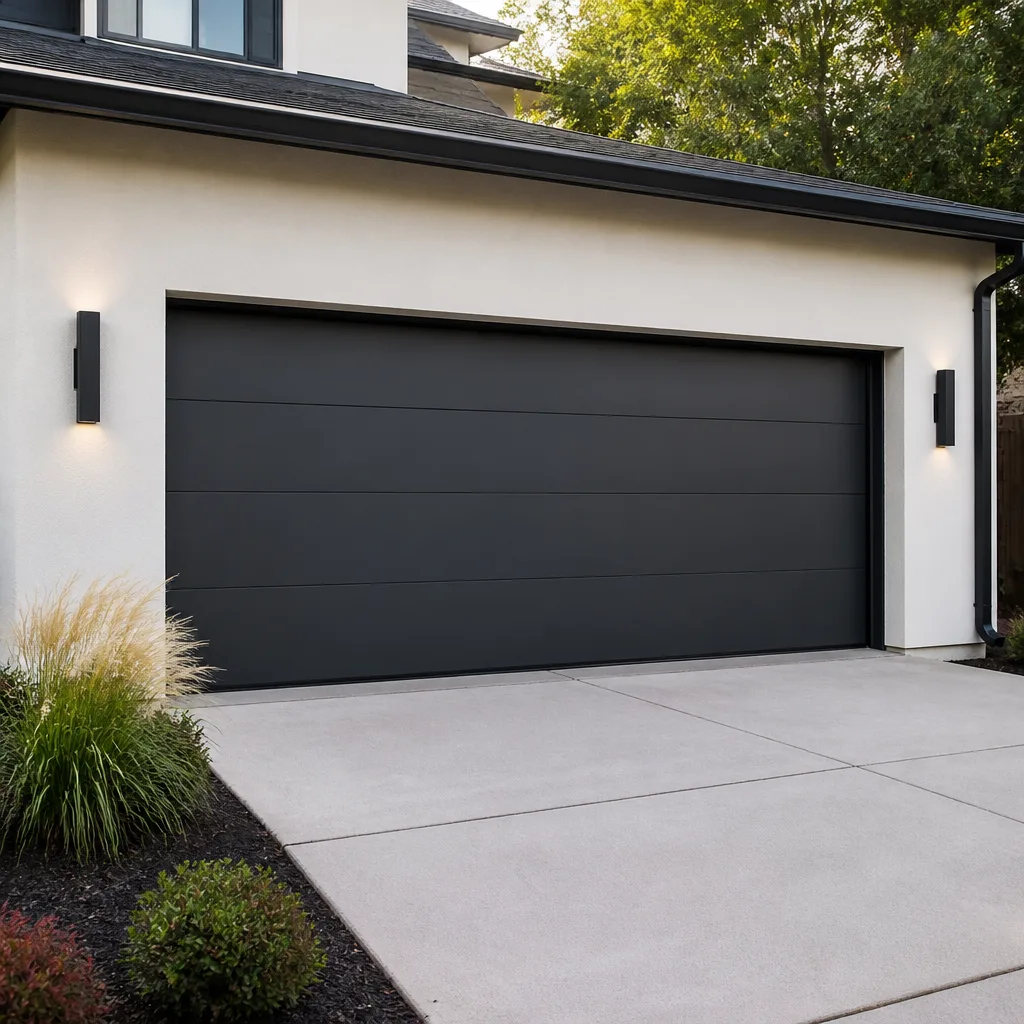 Modern flush
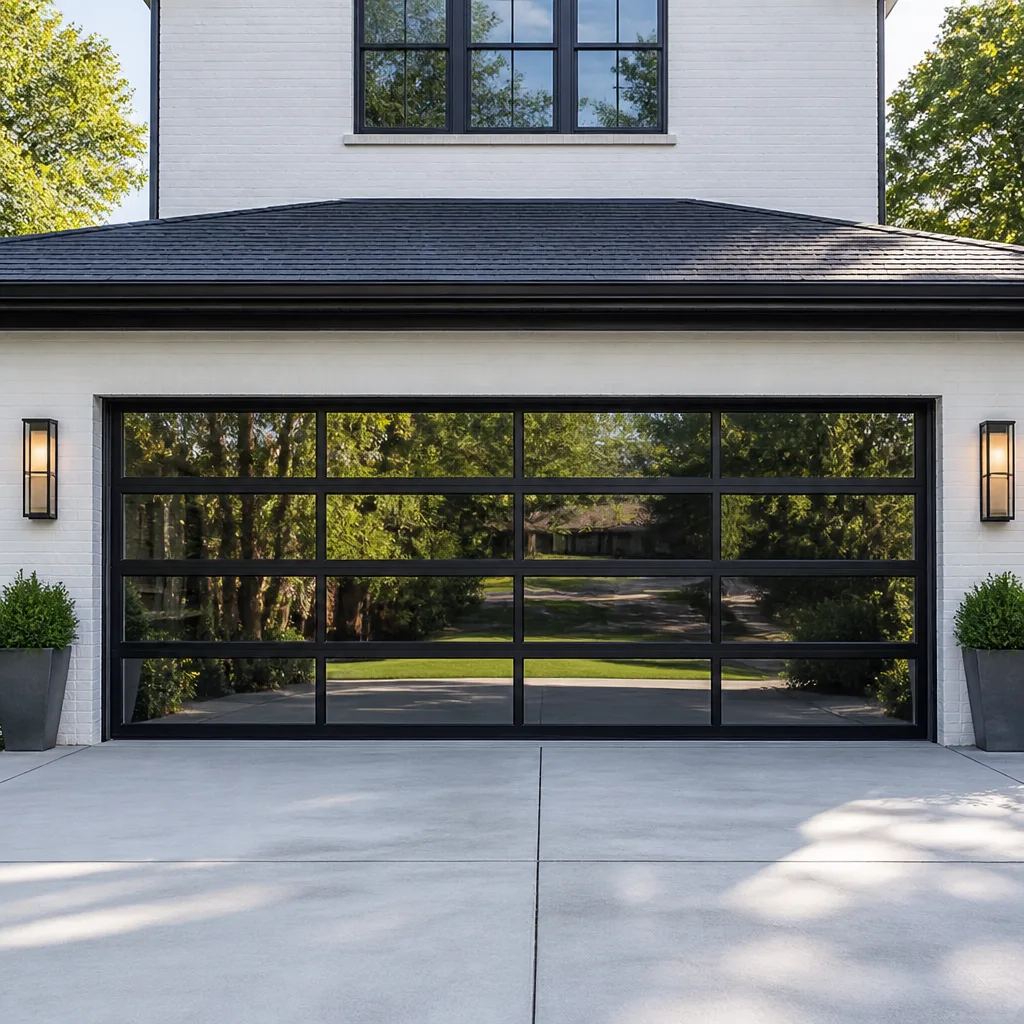 Full-view glass
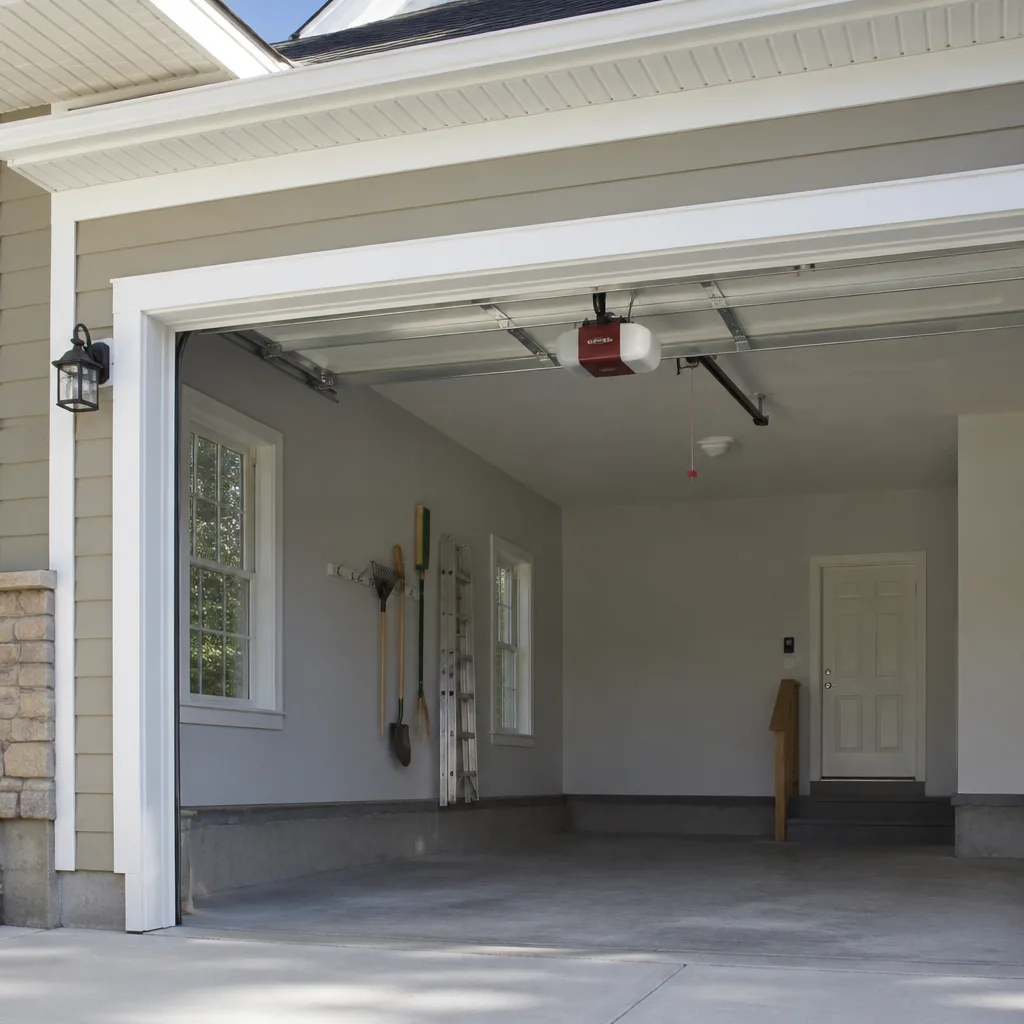 LiftMaster openers
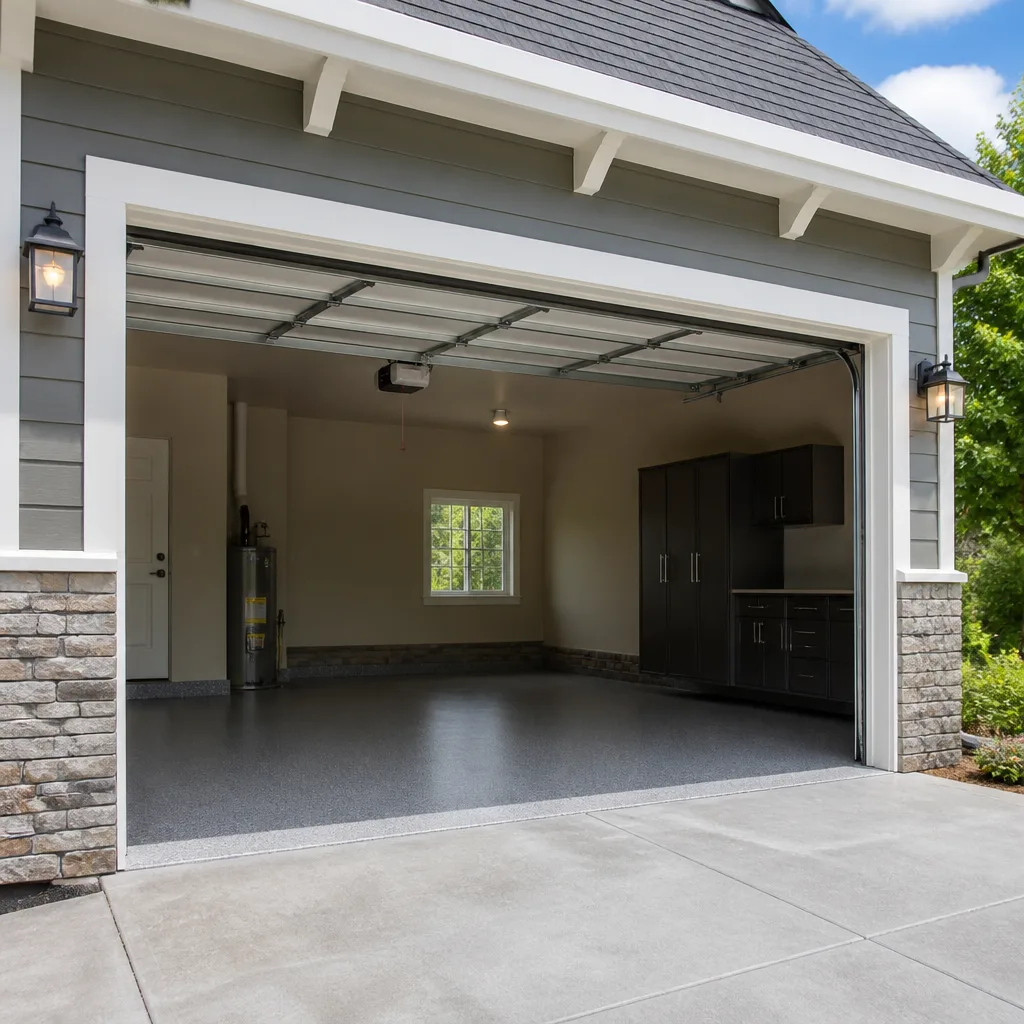 Chamberlain openers
Full 25-point door and opener safety check with every visit - springs, cables, rollers, tracks, and your LiftMaster or Chamberlain opener included
You get a price before we start. It does not change when the pro arrives.
Get your free estimateDIY vs Professional Garage Door: The Pompano Beach Homeowner’s Decision Guide
Most garage door advice online treats the DIY question as a matter of confidence. If you’re handy and you’ve watched the right video, the thinking goes, you can handle it. That’s the wrong way to look at it. The real dividing line is physics and code: torsion springs store enough energy to cause serious injury in a fraction of a second, and Florida’s building code treats a full door replacement as permitted, inspected work that a homeowner can’t legally sign off on. This guide draws that line task by task, so you know exactly what you can do yourself in Pompano Beach and where the math stops working in your favor.
Quick Answer
Safe DIY garage door work is limited to weatherstrip, lubrication, sensor alignment, and visual inspection. Anything involving torsion springs, cables, panel replacement, or a new door installation belongs with a trained professional, and in Pompano Beach a new door installation needs a permit and a licensed contractor. Spring and cable work carries a genuine injury risk, so that’s not a task worth learning on your own door.
Styles & brands we work with
- Raised-panel steel
- Carriage house
- Modern flush
- Full-view glass
- LiftMaster openers
- Chamberlain openers
Table of Contents
- Where the DIY Line Actually Falls
- What You Can Safely Do Yourself
- What Requires a Professional
- Florida Building Code and Permits in Pompano Beach
- The True Cost of DIY Gone Wrong
- Brand-Specific Complexity: Why Generic Parts Fail
- The One DIY Task Almost Everyone Skips
- How to Decide: A Simple Framework
Where the DIY Line Actually Falls
The garage door is the largest moving object in most homes, and it’s held together by parts that store or transmit serious force. That’s why the DIY question splits cleanly into three zones: tasks that are genuinely safe, tasks that are risky but doable for a careful homeowner with the right tools, and tasks that should never be a DIY project. Knowing which zone you’re in before you touch anything saves time, money, and in the worst cases, a trip to the emergency room.
Here’s how the three zones break down by task:
- Green zone (safe DIY): weatherstrip replacement, lubrication, sensor alignment, track cleaning, and visual inspection of springs, cables, and rollers.
- Yellow zone (possible but risky): roller replacement on a door in the down position, bottom bracket replacement, and light track adjustment. These require the door to be safely secured and the springs fully relaxed first, which is where most homeowners get into trouble.
- Red zone (professional only): anything involving torsion springs, extension springs, lift cables, the center bearing plate, the opener’s torsion bar, and full door or opener installation.
The red zone isn’t a confidence issue. It’s a stored-energy issue. A torsion spring on a standard residential door holds enough tension to launch a winding bar across a garage, and cables under tension can snap with enough force to break bone. We’ve seen the aftermath of red-zone DIY attempts, and the pattern is consistent: the door ends up worse off than when it started, and the homeowner has spent money on parts that don’t fit before finally calling. Our technicians have up to 8 years of experience, and even they never work on springs alone.
If you’re in Pompano Beach and you’re not sure which zone your repair falls into, a quick phone call is the cheapest way to find out. For the full range of what a pro handles, see our garage door repair service.
What You Can Safely Do Yourself
There’s a real list of garage door maintenance a homeowner can handle without any special training, and doing it well extends the life of the door and prevents a good number of service calls. The key is sticking to tasks that don’t require you to release stored energy or climb into the door’s moving mechanism.
Here’s what’s safely within reach:
- Replace the bottom weatherstrip. A worn seal lets water, insects, and hot Pompano Beach air into the garage. The seal slides into a channel on the bottom of the door or attaches with screws. Measure the door width, buy a matching seal, and slide it in. No tools beyond a screwdriver.
- Lubricate the moving parts. Rollers, hinges, and the torsion bar bearings all benefit from a proper garage-door lubricant (not WD-40). A quick pass every few months quiets a squeaky door and slows wear.
- Align the safety sensors. If the door reverses for no reason, a misaligned photo-eye is often the culprit. The sensors sit about six inches off the floor on each side of the opening, and each has a small LED that should glow steady when aligned. Nudge them until both lights are solid.
- Clean and inspect the tracks. Wipe down the vertical and horizontal tracks with a damp cloth, check for dents or debris, and look for loose bolts on the brackets. Tighten what’s loose by hand.
- Test the auto-reverse. Place a small object like a roll of paper towels in the door’s path and close it. The door should reverse on contact. If it doesn’t, that’s a call to a pro.
That’s the whole safe list. Everything else involves either the door’s lifting mechanism or an electrical system, and both are places where a small mistake compounds fast. Weatherstrip and lubrication in Pompano Beach’s climate matter more than most homeowners realize, because the heat and humidity work on rubber and steel year-round.
What Requires a Professional
The professional-only list is shorter than the safe list but it covers the repairs that fail most often. Springs break, cables fray, and openers give out, and every one of those jobs involves either stored energy or a system that needs to be tested and calibrated after the repair.
Here’s what belongs with a trained technician:
- Torsion and extension spring replacement. Springs are the most common failure point on any garage door, and replacing them requires specific tools (winding bars), a precise understanding of the door’s weight and balance, and a healthy respect for what’s under tension. A matched pair is usually replaced together so the door stays balanced, and each spring is priced on its own.
- Cable replacement and tensioning. Lift cables run under load and a snapped cable can whip. Cables are replaced in pairs, and the door has to be rebalanced afterward.
- Full door installation or replacement. A new door has to be measured, ordered, and installed to the opening’s exact dimensions, and in Florida it needs a permit. This is measured, scheduled work, not a same-day fix.
- Opener replacement and repair. Modern openers, especially the smart-home-compatible ones from LiftMaster and Chamberlain, need the right model matched to the door’s weight and travel, and they need to be paired and calibrated after install. A board-level repair on an older Craftsman or Raynor unit is often cheaper than replacement if the technician knows the brand.
- Panel replacement. A dented or damaged section on a Clopay or Amarr door is replaceable, but only with the correct panel for that model and color lot.
- Track repair and door realignment. A door that’s come off track is under load and needs to be brought back into alignment safely.
We work on the brand you already have, which matters for the jobs on this list. A door system built around Amarr panels and a LiftMaster opener needs someone familiar with both, not a generalist guessing at compatibility. From opener to panel, one call covers it all when the door needs professional attention. For opener-specific work, see our garage door opener repair page.
Florida Building Code and Permits in Pompano Beach
In Florida, a garage door is treated as part of the building envelope, and that changes the legal picture for DIY work. A full door replacement is permitted work that has to be installed to the state’s product approval standards and inspected. That means a homeowner in Pompano Beach who installs a new door themselves isn’t just taking on risk, they’re skipping a permit and an inspection the code requires.
The practical implication is simple. Weatherstrip, lubrication, sensor alignment, and light hardware swaps are maintenance and don’t require a permit. A new door, a door with structural damage, or any change to the opening’s framing is permitted work that needs a licensed contractor and a city inspection. The city’s building department can tell you exactly which jobs need a permit for your address, and it’s worth a call before you order a door online.
There’s a second layer too: your homeowners insurance. An unpermitted door installation can create a coverage gap if the door fails later, because the insurer may argue the work wasn’t done to code. That’s not a scare tactic, it’s how most policies read. Call the city’s building department before you commit to a self-installed door and ask what’s required. The answer will usually make the decision for you.
For scheduled installation work in Pompano Beach, we measure first, order the right door, and provide a written quote. Our garage door installation service covers the permit and inspection side as part of the job.
The True Cost of DIY Gone Wrong
The DIY math looks simple: buy the part, save the labor. That math falls apart the moment the repair goes wrong, because a botched spring replacement or a misaligned track usually turns into a larger repair than the original job. Here’s a rough picture of how the costs compare for the repairs that commonly go wrong.
- Spring replacement (pro): a typical single-spring replacement in the Pompano Beach area runs in the $180-$340 range, and a matched pair is about twice that. The estimate is free and the price is set before any work starts.
- Spring replacement attempt (DIY gone wrong): a bent or snapped winding bar, a door that comes off track, or a damaged opener carriage adds a service call on top of the original repair, often doubling the total.
- Opener repair (pro): a board-level repair or a motor replacement is quoted per job based on the brand and model, and a LiftMaster or Chamberlain unit can usually be repaired rather than replaced.
- Opener replacement attempt (DIY gone wrong): an opener matched to the wrong door weight or installed without calibration can burn out its motor or damage the door’s panels, and the door often needs rebalancing afterward.
- Panel replacement (pro): a Clopay or Amarr panel is ordered to match, and the price depends on the model and color lot.
- Panel replacement attempt (DIY gone wrong): a generic hardware-store panel won’t fit a proprietary door, so the wrong part gets returned and the correct panel still has to be ordered.
The pattern is consistent: the DIY savings vanish the moment the wrong part is bought or the repair slips into a bigger job. And the second fear, right after the breakdown itself, is an invoice bigger than the quote. That’s why we quote every job before work starts and confirm the price with you in writing. For an exact figure on your door, call (855) 658-4102. Estimates are free.
Brand-Specific Complexity: Why Generic Parts Fail
The brands installed on most Pompano Beach homes are specific systems, not interchangeable kits. Amarr, Clopay, Wayne Dalton, and Raynor build doors around proprietary panel profiles, spring sizes, and hardware sets. LiftMaster and Chamberlain dominate the opener side, and their smart-home integrations run through proprietary logic boards and accessories. Genie and Craftsman round out the mix, and each has its own part numbers, board layouts, and remote compatibility.
What this means for DIY is straightforward: the right part for your door is almost never on a hardware-store shelf. A generic spring from a big-box store will be the wrong wire gauge or length for your door’s weight, and a mismatched spring makes the door unbalanced, which strains the opener and the tracks. A generic opener remote won’t pair with a Chamberlain or LiftMaster unit unless it’s the right frequency and protocol. A generic panel won’t fit a Clopay or Amarr door because the profile is different. These aren’t subtle differences; they’re the reason the same repair quoted from a pro who knows your brand is cheaper than a DIY attempt that becomes a bigger repair.
We work on the brand you already have, across all eight of the widely installed brands: LiftMaster, Chamberlain, Genie, Clopay, Amarr, Wayne Dalton, Craftsman, and Raynor. That fluency matters most with springs and openers, where a matching part and a calibrated install are what make the repair hold. For a full overview of what we handle, see Pompano Beach Garage Door Repair Co.
The One DIY Task Almost Everyone Skips
If homeowners did one maintenance task consistently, a large share of service calls would never happen. It’s not spring replacement or opener repair. It’s lubrication, done on a schedule, with the right product. A garage door has dozens of moving contact points, and each one wears a little faster without a thin film of lubricant between metal surfaces.
Here’s how to do it, in order:
- Start with a proper garage-door lubricant. A white lithium or silicone-based garage-door lubricant is what you want. WD-40 will clean a hinge but it won’t lubricate it, and it will attract dust in Pompano Beach’s air.
- Lubricate the rollers. Apply a small amount to the bearing of each roller, not the track itself. Rollers on a door that’s used daily benefit most.
- Lubricate the hinges. A drop on the pivot point of each hinge quiets a squeaky door and slows metal fatigue.
- Lubricate the torsion bar bearings and the center bearing plate. These are the bearings at the top of the door where the torsion bar passes through. A small amount on each bearing is enough.
- Wipe down the tracks. Don’t lubricate the tracks; wipe them clean with a damp cloth so the rollers can roll freely. Lubricant in the tracks attracts grit and causes the door to bind.
- Test the door’s balance. Disconnect the opener, lift the door about halfway by hand, and let go. A balanced door should hold its position. A door that drops is out of balance and needs professional adjustment.
Doing this a few times a year is the single highest-value maintenance a homeowner can do. It’s also the simplest. The second-highest value is checking the weatherstrip for cracking in the summer, because Pompano Beach heat hardens rubber faster than most homeowners expect. When the seal fails, water gets in, and that water leads to panel damage and track rust.
How to Decide: A Simple Framework
If you’re still on the fence about a specific repair, here’s a framework you can run through in about a minute.
- Does the task involve a spring, a cable, or the torsion bar? If yes, call a professional. The stored energy makes this the one category where the answer never changes.
- Does the task change the door’s structure or the opening? If yes, check with Pompano Beach’s building department for permit requirements before you buy anything.
- Is the part specific to your door or opener brand? If yes, confirm you’re buying the exact model. A wrong part on a Clopay or LiftMaster unit costs more than the repair.
- Does the task involve the opener’s electrical system? If yes, the risk of board damage and calibration problems is high enough that a pro is usually cheaper.
- Is it weatherstrip, lubrication, sensor alignment, or visual inspection? If yes, it’s yours to handle, and doing it consistently prevents future repairs.
If the answer to more than one of those questions is yes, the repair is worth a phone call. A free estimate takes the uncertainty out of the decision, and the written quote makes it easy to compare to the DIY cost. For urgent failures, our emergency service and same-day availability exist for exactly this reason.
Common Mistakes to Avoid
- Winding a torsion spring without the right bars. A screwdriver or a set of pliers can slip out of a winding cone under load. The result is usually a damaged door and a hand injury. Springs are the one job that never belongs DIY, no matter how confident you feel.
- Buying a generic spring from a hardware store. Springs are sized to the door’s weight by wire gauge and length. A wrong gauge makes the door unbalanced, which strains the opener and the panels. Match the spring to the door, not the shelf.
- Replacing one spring of a matched pair. When one spring breaks, the other has usually reached the same point. Replacing both keeps the door balanced and prevents the second spring from breaking a short time later.
- Installing a new door without a permit. Pompano Beach permits new door installations, and an unpermitted install can create a coverage gap with your insurer. Check the city’s requirements before you order a door.
- Lubricating the tracks. Tracks should be clean and dry. Lubricant in the tracks traps grit and causes the rollers to bind, which turns a quick maintenance task into a track repair.
- Ignoring a door that reverses for no reason. A door that reverses on its own usually has a misaligned sensor or a failing opener logic board. Ignoring it can lead to a door that won’t close at all.
- Running the opener on an unbalanced door. A door that drops when you release it by hand is out of balance, and the opener is doing work it wasn’t designed for. That’s the leading cause of premature opener failure.
See the difference
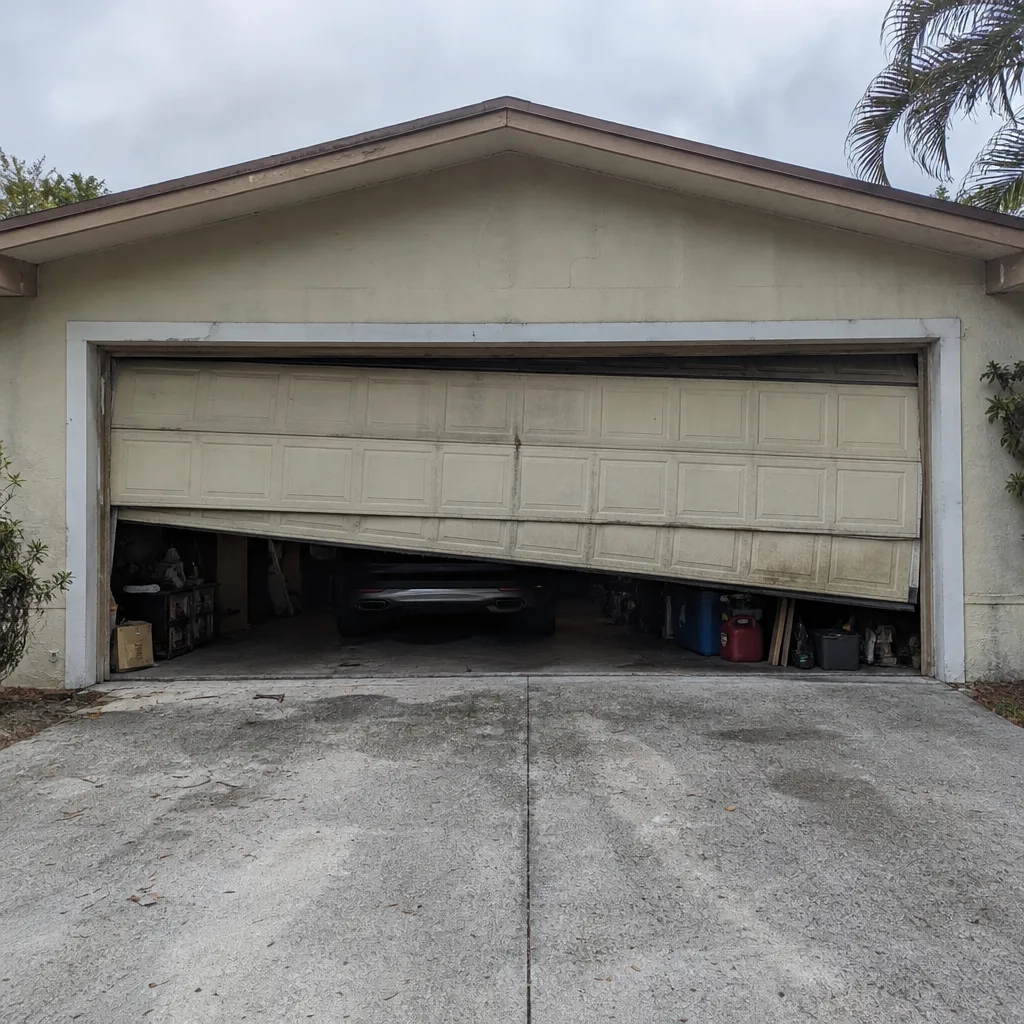 Before
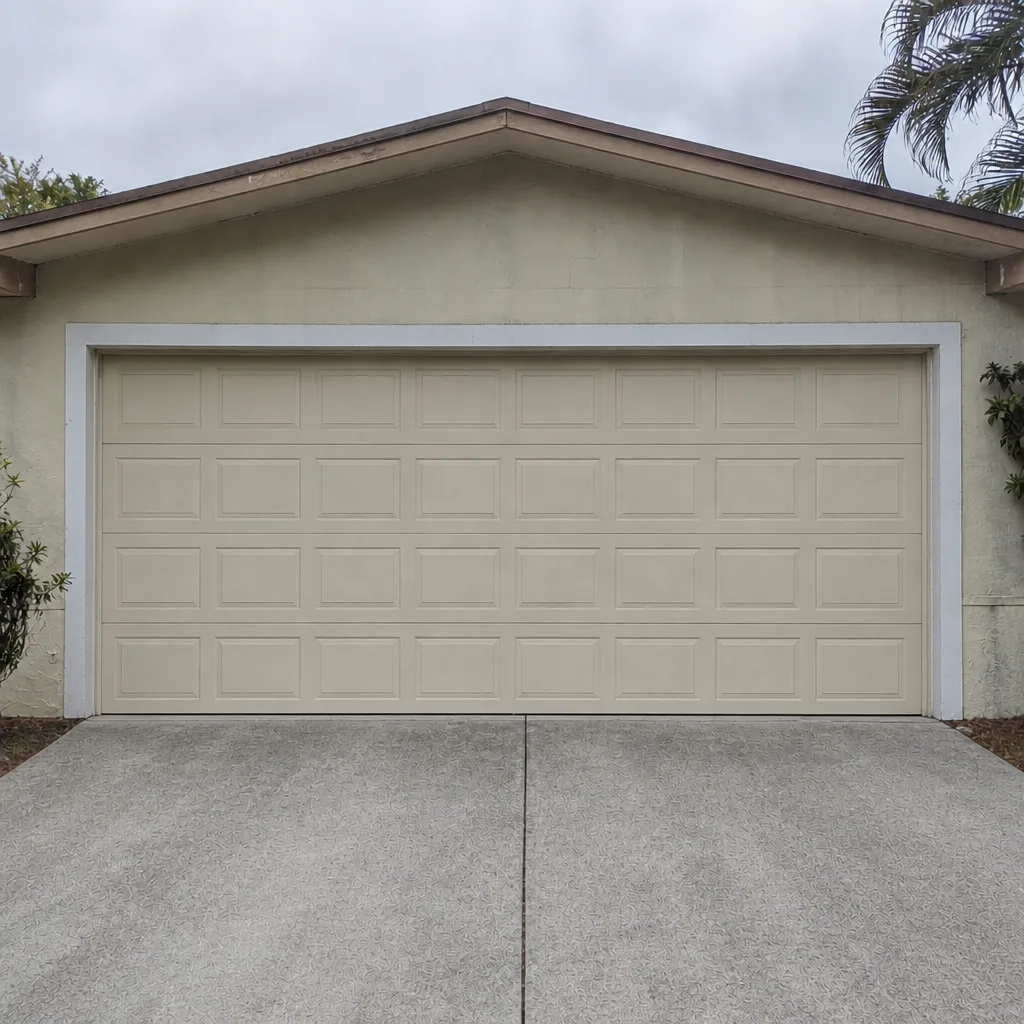 After
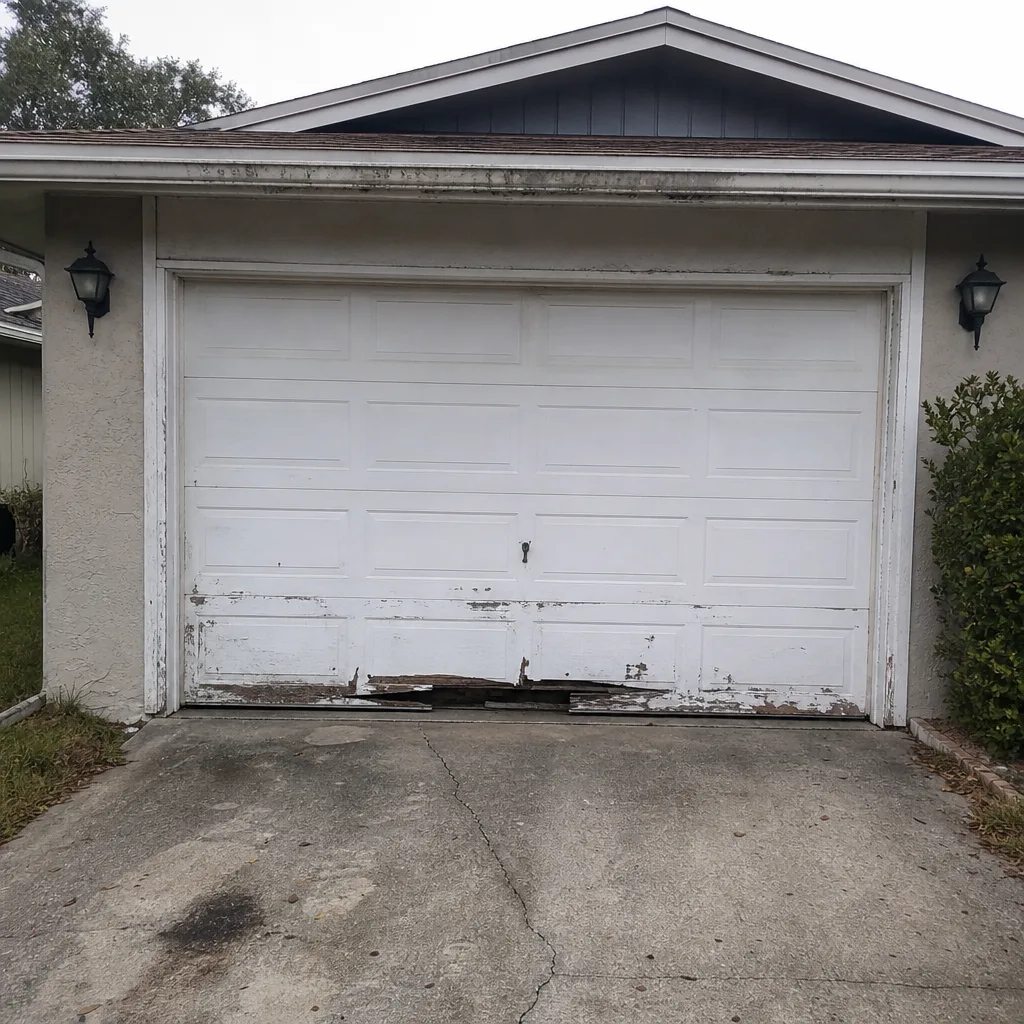 Before
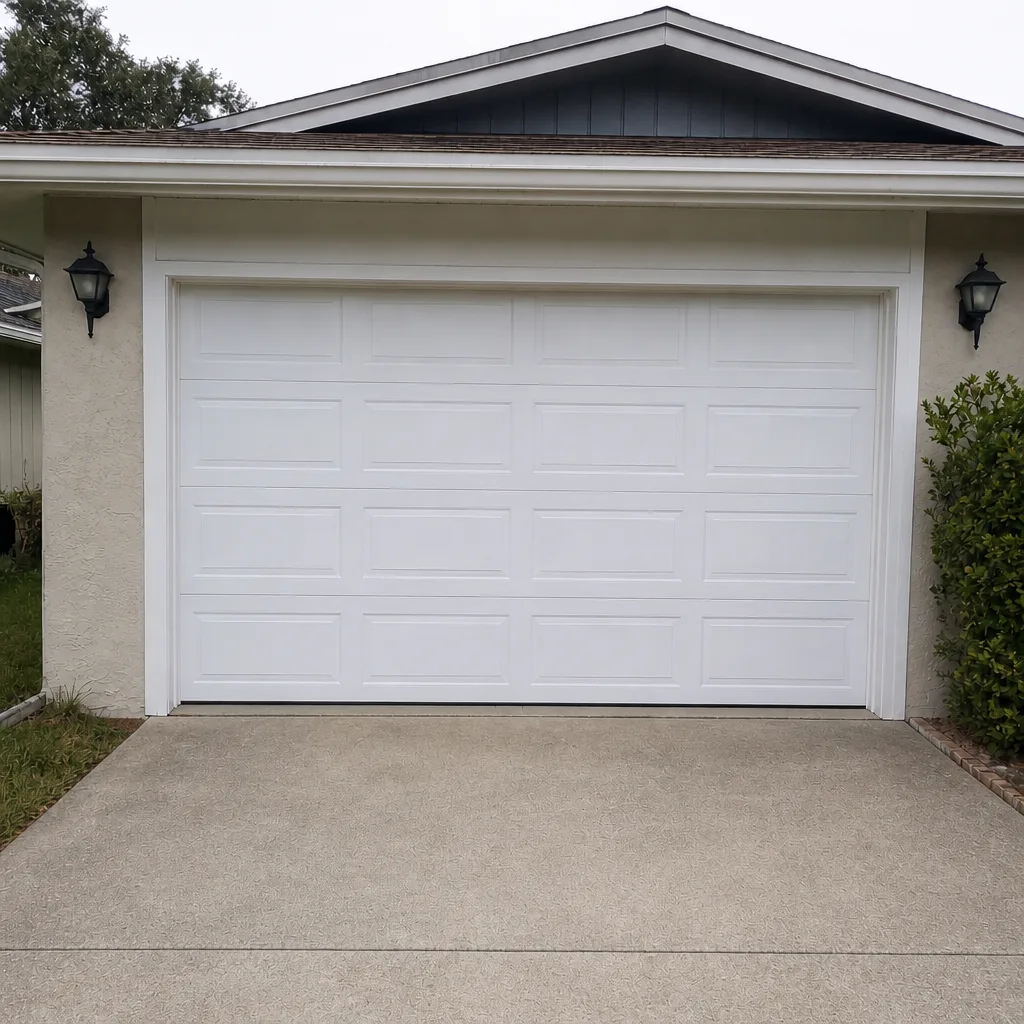 After
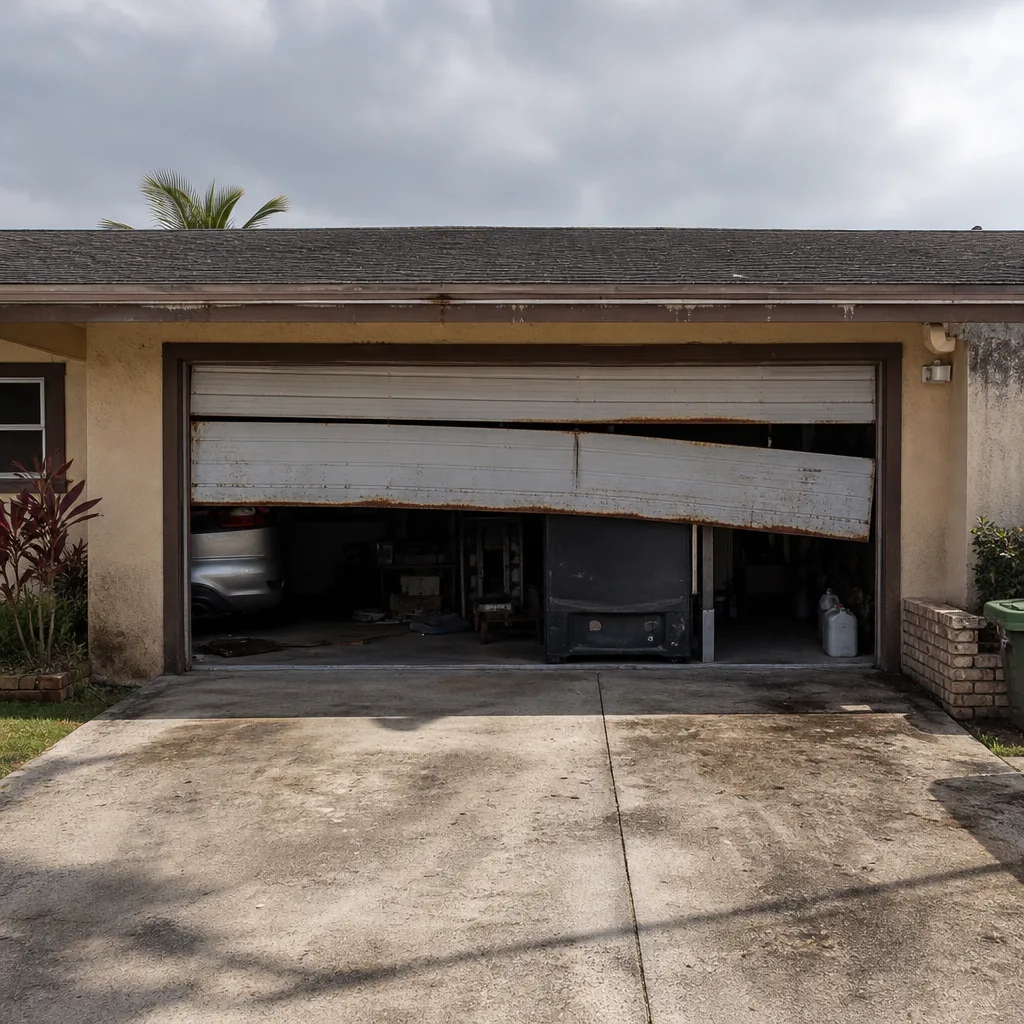 Before
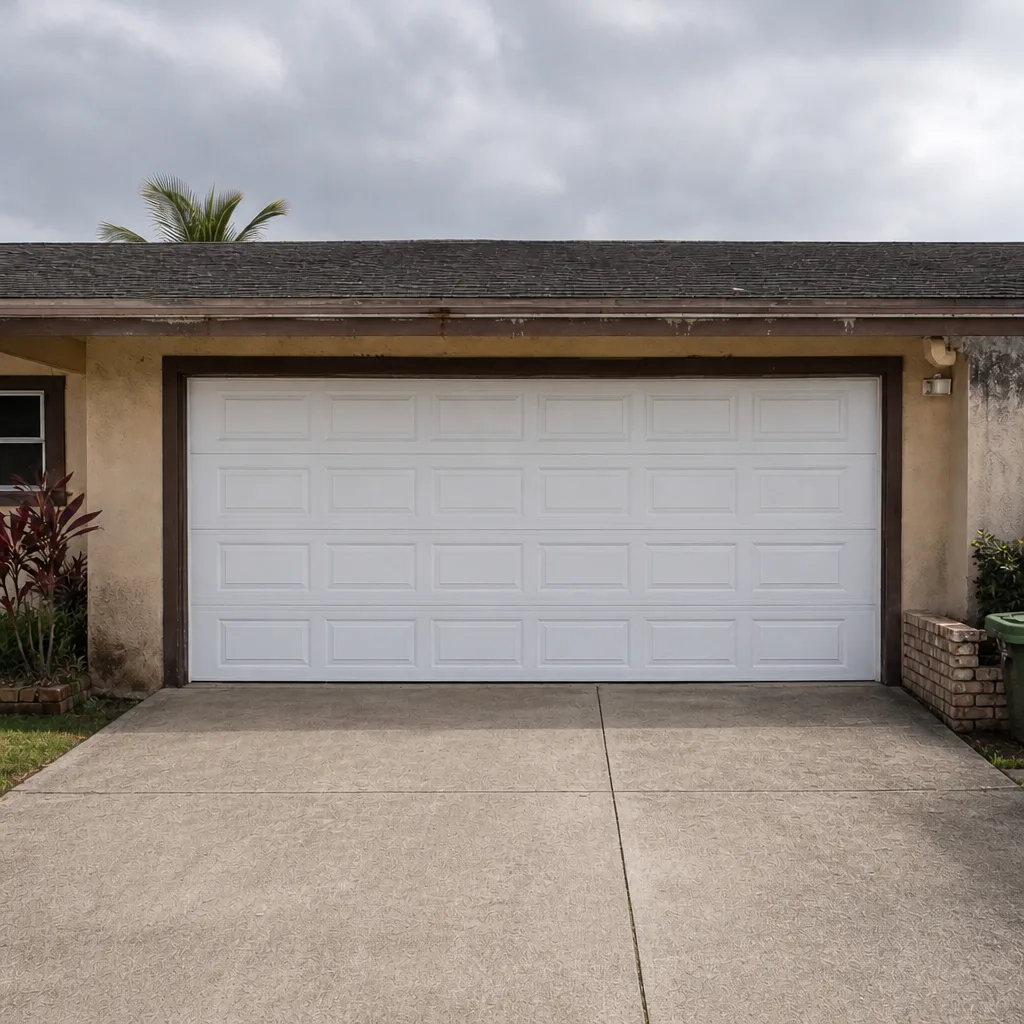 After
When to Call a Professional
Some garage door problems are worth a phone call even for a confident homeowner. A broken spring, a snapped cable, a door that’s come off track, a door that reverses for no reason, an opener that runs but won’t lift the door, and any panel or structural damage all belong with a trained technician. A new door installation falls into the same category because of the permit and inspection requirements. The safety risk on spring and cable work isn’t hypothetical. The springs hold enough energy to cause serious injury in a fraction of a second, and no YouTube video changes that physics.
Pompano Beach Garage Door Repair Co offers free estimates in Pompano Beach. Call (855) 658-4102. We answer 24/7. Fast dispatch from 7am to 7pm, Sunday through Friday. We work on the brand you already have.
Frequently Asked Questions
No. Torsion and extension springs store enough energy to cause serious injury, and replacing them requires specific tools and a precise understanding of the door’s weight and balance. A trained technician should handle every spring repair, and the risk of injury isn’t worth the savings. Call (855) 658-4102 for a quote. Estimates are free.
In most cases, yes. Florida treats a full garage door replacement as permitted work that must be installed to the state’s product approval standards and inspected, so a licensed contractor handles the permit and inspection as part of the job. Check with Pompano Beach’s building department for your specific address before you order a door. Call us for a free measure and a written price on installation.
A single-spring replacement typically runs in the $180-$340 range in the Pompano Beach area, and a matched pair is usually about twice that. The estimate is free and the price is confirmed with you in writing before work starts. Call (855) 658-4102 for an exact quote.
No. We quote the job before any work starts, and the written estimate sets the price. If we discover something unexpected, we talk through the options with you before proceeding, so you’re never surprised by a bigger invoice. Call (855) 658-4102 to schedule a free estimate.
The local professionals we connect you with are licensed and insured as their state requires. We work with independent local pros who perform the repair, and their credentials meet Florida’s requirements. Call (855) 658-4102 if you want to confirm details before booking.
For urgent failures like a broken spring or a door off track, we offer same-day service and emergency repair when a slot is available. Call (855) 658-4102. We answer 24/7. Fast dispatch from 7am to 7pm, Sunday through Friday.
The Bottom Line
The DIY vs professional question on a garage door comes down to two lines: stored energy and code. Weatherstrip, lubrication, sensor alignment, and visual inspection are safe, valuable, and worth doing yourself. Springs, cables, structural door work, and anything requiring a permit belong with a trained technician, and that’s not a limitation, it’s the reason a repair holds and no one gets hurt. Florida’s building code makes that line legal as well as practical for Pompano Beach homeowners. If you’re unsure which side of the line your repair falls on, a free estimate settles it. Pompano Beach Garage Door Repair Co works on the brand you already have, from opener to panel.
Ready to stop guessing? Call (855) 658-4102 for a free estimate on your garage door repair or installation in Pompano Beach. We answer 24/7. Fast dispatch from 7am to 7pm, Sunday through Friday.
Written by the team at Pompano Beach Garage Door Repair Co.