
Last updated November 22, 2026
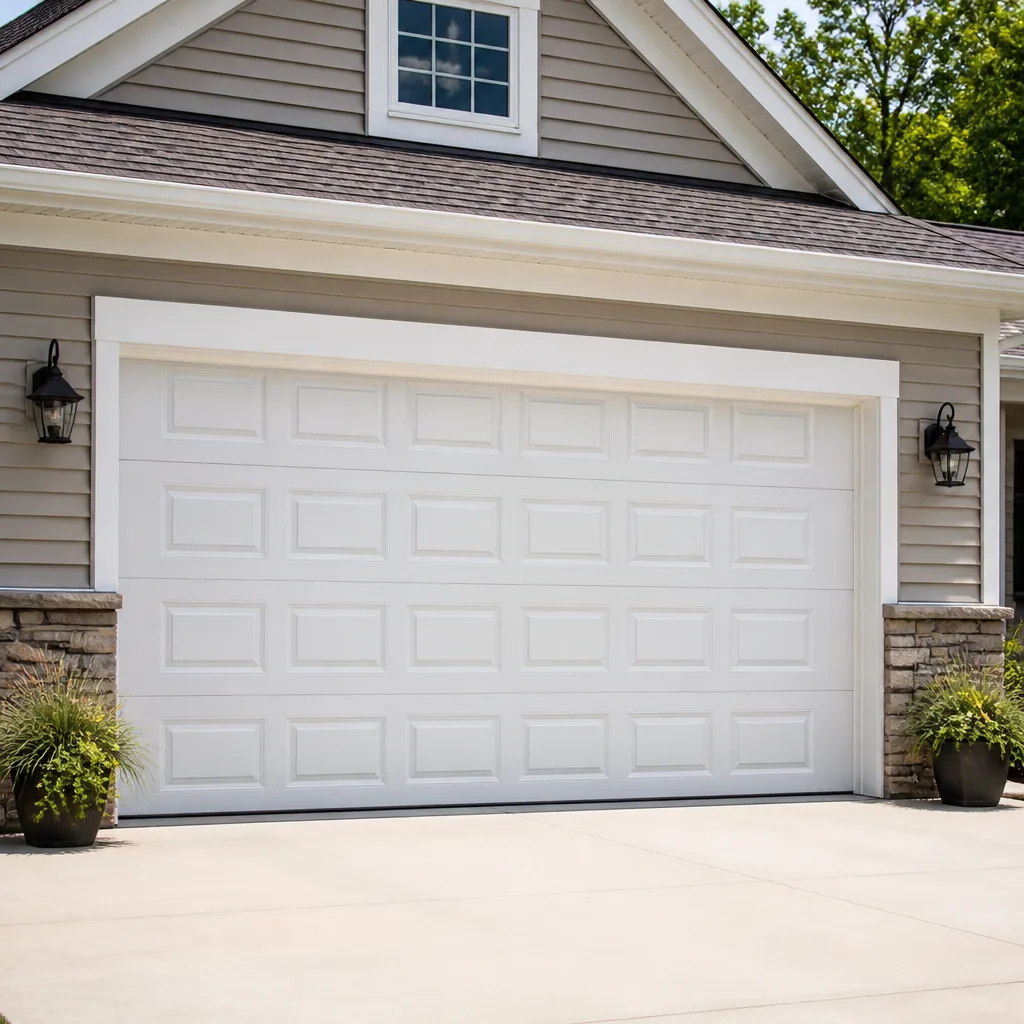 Raised-panel steel
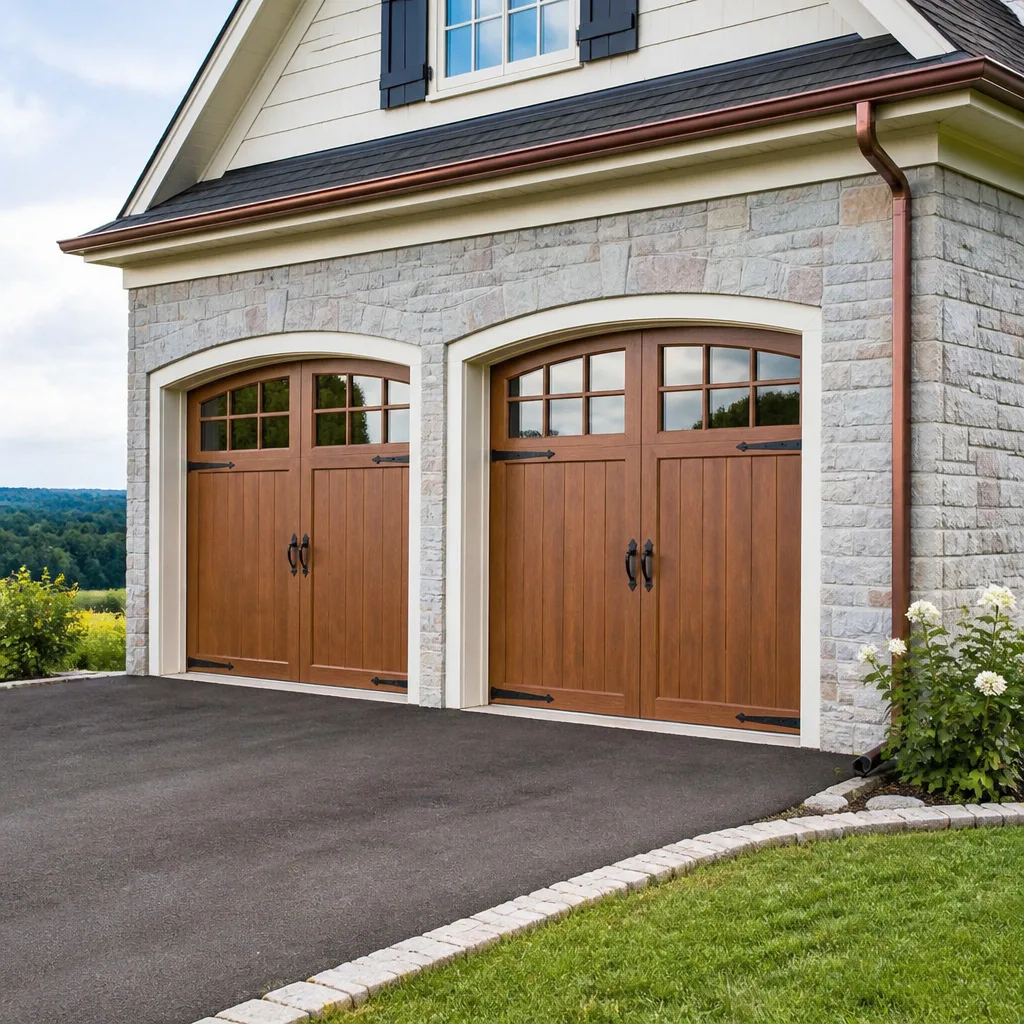 Carriage house
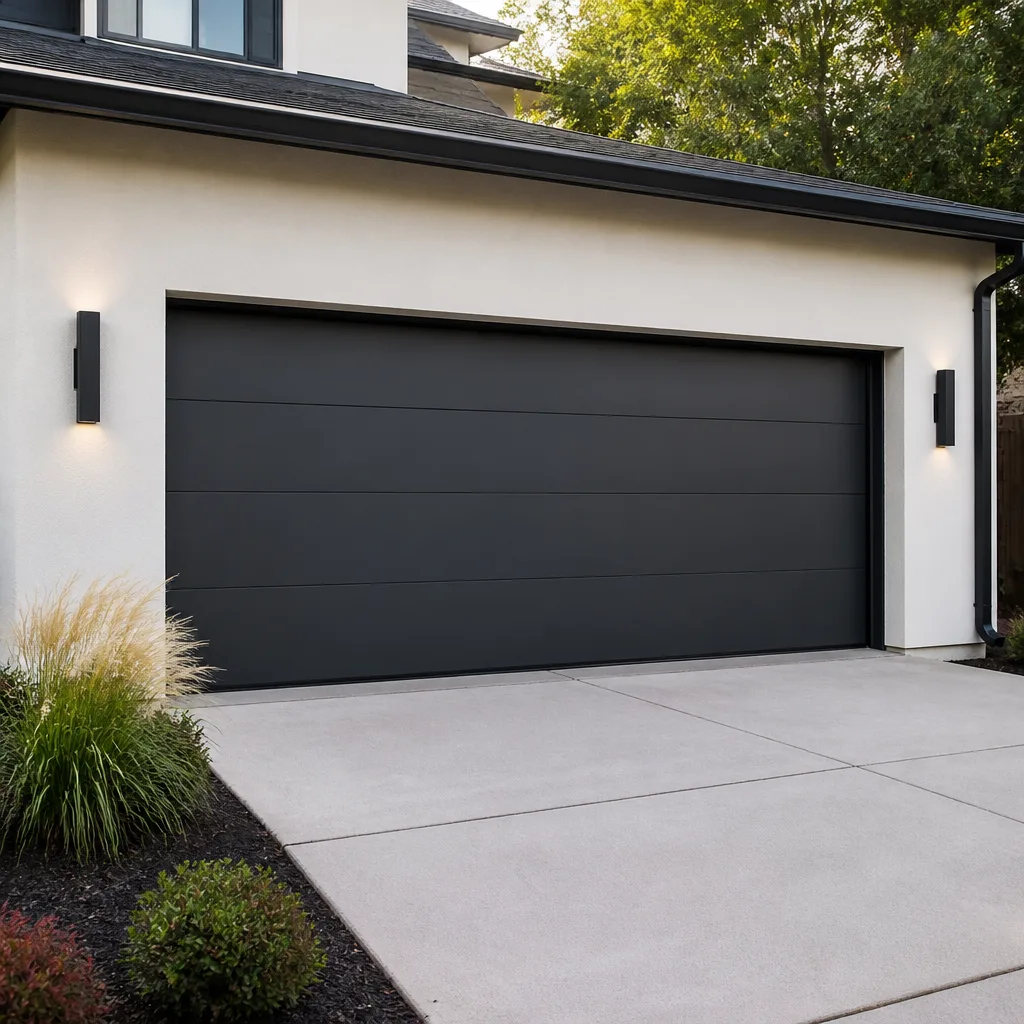 Modern flush
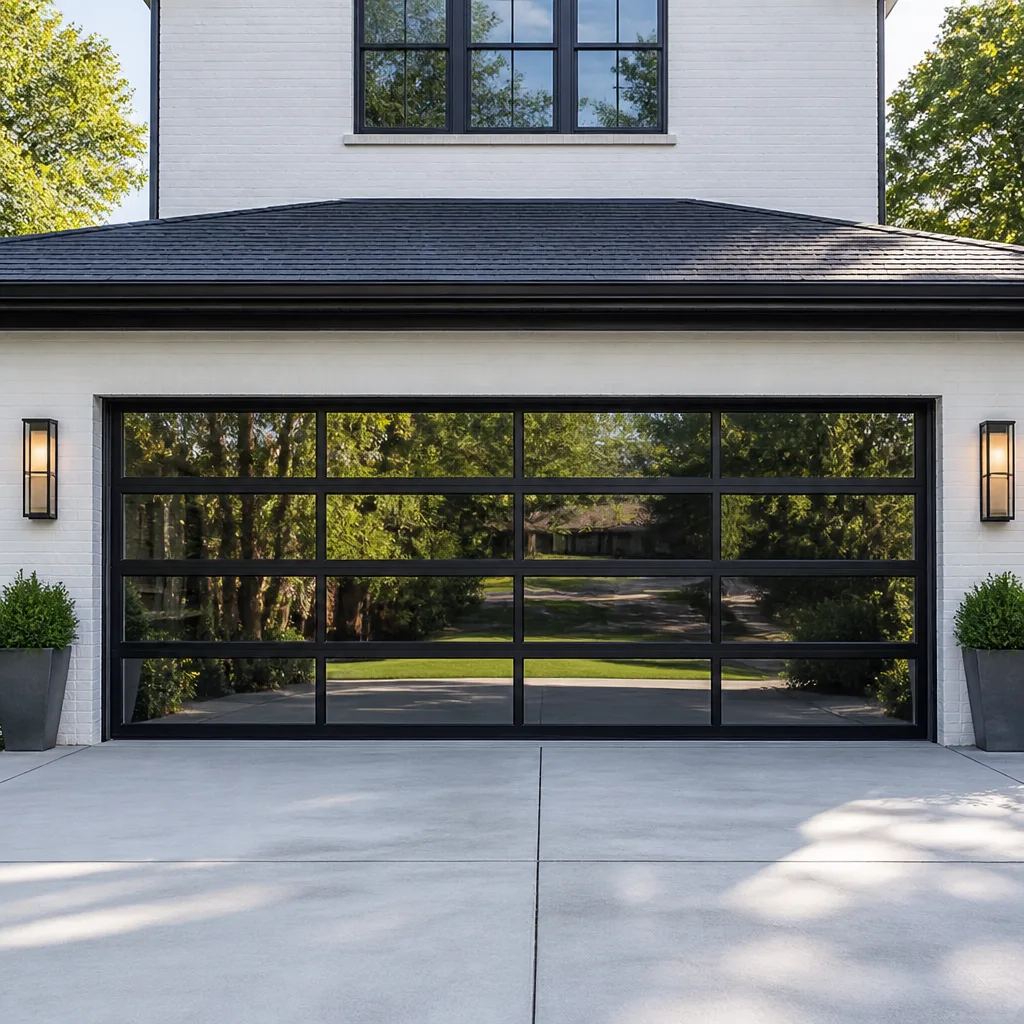 Full-view glass
 LiftMaster openers
 Chamberlain openers
Full 25-point door and opener safety check with every visit - springs, cables, rollers, tracks, and your LiftMaster or Chamberlain opener included
You get a price before we start. It does not change when the pro arrives.
Get your free estimateGarage Door Permits, Codes & Inspections in Pompano Beach, FL: What You Need to Know
Most homeowners assume a garage door is like a dishwasher: buy it, install it, forget it. It isn’t. A garage door is the largest moving assembly attached to a Florida home, and in a wind zone it’s treated as a structural component, not a cosmetic upgrade. The counterintuitive part is that the installers who skip the permit usually do it to save you time and paperwork, not money. The bill for that shortcut tends to arrive years later, at the worst possible moment: a home sale, an insurance claim, or a code inspection. If you own a home in Pompano Beach and are replacing a door, changing the opener, or buying a house with a recent install, this guide walks through when a permit is required, what the wind-load rules demand, and what an inspector actually checks.
Quick Answer
A full garage door replacement in Pompano Beach almost always requires a permit from the Broward County Building Division, and the door must meet Florida Building Code wind-load requirements with a valid Florida Product Approval number. Routine repair work that doesn’t change the door, the tracks, or the structural attachment usually doesn’t require one. If you’re unsure, call Pompano Beach’s building department or ask us before ordering the door.
Styles & brands we work with
- Raised-panel steel
- Carriage house
- Modern flush
- Full-view glass
- LiftMaster openers
- Chamberlain openers
Table of Contents
- When does a garage door job need a permit in Pompano Beach?
- Wind-load codes: what Florida Building Code Section 1609 means for your door
- How to look up Florida Product Approval numbers
- What an inspector will check on-site
- HOA approval vs. municipal permit: the order of operations
- What happens after a failed inspection and how to fix it
- Why this matters at insurance renewal and home sale
- What garage door permits and inspections cost in Pompano Beach
When does a garage door job need a permit in Pompano Beach?
In Broward County, a permit is typically required when you replace the entire door and track system, change the door type (say, from a sectional to a roll-up), alter the framing or header, or install a new opening. Repair of a spring, cable, roller, or opener generally does not require a permit because you’re not changing the assembly or its attachment to the structure. There’s a gray zone, and it matters: swapping a door panel often counts as replacement if it changes the door’s weight, wind rating, or hardware. Inspectors care about that.
Here’s how the lines usually fall:
- No permit typically needed: spring replacement, cable replacement, roller or hinge swap, opener repair, opener replacement on an existing door, weatherstripping, painting, routine lubrication.
- Permit typically required: full door replacement (even same size), track replacement, new opener on a new door, changing to an impact-rated door, converting a manual door to an opener, altering the header or spring anchor plate, installing a door where there wasn’t one.
- Ask the building department: multi-panel replacement on an existing frame, adding a window row to an existing door, or replacing just the torsion system on a high-cycle commercial-style door on a residential property.
Broward County has an online permit portal through its ePlan system, and most municipalities within the county (including Pompano Beach) coordinate with the county on structural elements. When in doubt, call the Pompano Beach Building Division directly and ask two specific questions: does the door being installed have a current FPA number, and does the job qualify as replacement or repair? A thirty-second phone call saves weeks later.
Wind-load codes: what Florida Building Code Section 1609 means for your door
Florida Building Code Section 1609 addresses wind loads on buildings, and it’s the section that drives the design of every garage door installed on a home in Pompano Beach. In practical terms, the code requires that your door, its tracks, its reinforcement, and its attachment to the structure all resist the design wind speed for your area. Broward County’s design wind speed is one of the highest in the state, which means a door rated for a slower inland county won’t pass here.
Two labels do the actual work in a code review:
- Design Pressure (DP) rating. Every impact-rated door has a DP number printed on its label (often DP-50 or DP-70 for residential doors in this region). That number reflects the wind pressure the door can resist. The required DP depends on the door’s width, the building’s exposure category, and the protection level your specific structure requires.
- Florida Product Approval (FPA) number. The FPA ties a specific door model, its hardware, and its installation method to a state approval. Without a valid FPA for your exact door, the install fails the inspection no matter how stout the door feels.
Impact-rated and non-impact doors both exist in the Pompano Beach market, and both can meet code if they carry the right rating for the opening. The hardware matters just as much: the tracks, brackets, hinge reinforcement, and the spring anchor plate are all part of the tested assembly. A technician who installs a wind-rated door on standard light-gauge tracks has installed a non-compliant assembly. When we install a door in Pompano Beach, the FPA paperwork is part of the deal, not an afterthought. That’s also why our garage door installation service starts with a measurement appointment, not a sales pitch. Doors and their rated hardware can only be ordered with the correct DP class once the opening is measured.
How to look up Florida Product Approval numbers
Florida Product Approvals are public records. You can verify any door on any Pompano Beach home before you buy the house, before you install a replacement, or before you call an installer. Here’s the process:
- Find the label on the door or its hardware. Impact-rated doors carry a permanent label, usually on the bottom panel or the inside of the track, with the manufacturer, model, and FPA number. If the door has been repainted, the label may be painted over, which is itself a red flag for an inspection.
- Search the Florida Building Commission Product Approval database. The Florida DBPR maintains the official Product Approval portal at floridabuilding.org. Search by manufacturer and product category (residential garage doors have their own category).
- Match the exact product, not the brand. A Clopay door carries several approvals across models. You need the FPA that matches your specific model number, not just the manufacturer’s overall approval. This is where homeowners get tripped up.
- Check the installation method. The approval document lists the anchoring method and fastener schedule. If your installer used different brackets or fewer fasteners than the FPA requires, the approval is invalid for that install.
- Save a printout of the FPA and the door label photo. Your inspector will want both, and so will your insurance company and your real estate attorney if you sell.
Clopay, Amarr, and Wayne Dalton all publish current approval numbers on their own sites as well, which makes cross-checking easier. If an installer can’t hand you an FPA number for the exact door being installed, that’s the moment to pause.
What an inspector will check on-site
A Broward County or Pompano Beach garage door inspection is quick, focused, and specific. The inspector is not grading aesthetics. They’re verifying that what was installed matches what was permitted and what the FPA allows. Expect these checks:
- Label verification. Door label and FPA number are photographed and compared against the permit application.
- Hardware match. Hinges, brackets, tracks, spring anchor plate, and fastener count are checked against the FPA install spec.
- Attachment to structure. The header connection and jamb fasteners are inspected. On older Pompano Beach homes with termite-damaged or undersized framing, this is where installs fail.
- Clearances. Track spacing, roller engagement, and door-to-jamb gap are measured.
- Safety features. The opener’s photoelectric safety eyes and the auto-reverse function are tested. If you changed the opener during the same job, this is a required check.
- Operation. The inspector opens and closes the door manually and with the opener and checks for balance and obstruction.
If your job also involved a new opener and the inspector notes that the safety eye system is misaligned, that’s a fixable failure, not a structural one. Our garage door opener repair team sees the same alignment issues on homeowner-installed openers, and they’re usually a fifteen-minute correction. When we install a LiftMaster or Chamberlain opener on a new door, the safety eye and force settings are part of the inspection list.
HOA approval vs. municipal permit: the order of operations
This trips up almost every homeowner. A permit and an HOA approval are two separate processes run by two separate entities, and doing them in the wrong order can cost you time and, occasionally, a door you can’t return. Here’s the order that tends to work:
- Read your HOA rules first. Most Pompano Beach HOAs and deed-restricted communities have an architectural review committee (ARC) that governs door color, panel style, window configuration, and sometimes the exact manufacturer. If your door must be a specific model, the ARC spec drives everything downstream.
- Choose the door and get its FPA and DP rating. Confirm the model meets the HOA’s aesthetic rules and the Florida wind-load requirements at the same time. Your installer should supply both documents in one package.
- Submit the HOA application. Include the door spec sheet, the FPA, the color, and where applicable a site plan or photo. Approval timelines vary, but plan on weeks, not days.
- Pull the building permit. The permit application references the FPA number, the contractor, and the scope. Pull it after the HOA approval so the job description is locked in.
- Install. Schedule installation after both approvals are in hand. Installers who show up with a door before HOA approval can force you into a return-and-reship situation.
- Inspection and close-out. The building inspector signs off, and the permit is closed on the county portal. Save the close-out document.
If your HOA approval and permit come back with conflicting requirements, the stricter one usually wins for the install, and the HOA spec is often what the door is ordered to. That’s another reason to involve a technician who’s worked this process in the Pompano Beach area.
What happens after a failed inspection and how to fix it
A failed inspection isn’t a catastrophe, but it does delay your job and can add cost. The failure itself usually falls into one of four categories, and three of them are remediated without replacing the entire door:
- Missing or wrong FPA label. If the label was painted over or missing, the manufacturer can usually supply a replacement label, and the inspector will re-verify. In rare cases the door needs to be replaced if the model was never on the approval list.
- Hardware mismatch. Wrong brackets, insufficient fasteners, or non-rated tracks. This is a hardware swap, not a door swap.
- Structural attachment failure. The header is undersized, or the jamb fasteners pull through rotted wood. Remediation often involves sistering framing, adding a steel reinforcement plate, or replacing the spring anchor plate. Rarely requires replacing the door.
- Wrong door for the opening. The DP rating doesn’t meet the required design pressure for the opening size. This is the one case that usually requires a new door, and it’s why getting the specification right before ordering matters.
When we respond to a failed inspection, our approach is to re-read the FPA against what’s actually installed and find the smallest compliant correction. That’s the same principle behind our garage door repair service: solve the actual problem, don’t sell a new door when a fix will pass. If a spring has to come off to reach a bracket, we handle that too. Spring work on a loaded torsion system is the single most dangerous part of any garage door, and it’s not a homeowner job. A wrong move on a wound spring can break a wrist or worse.
Why this matters at insurance renewal and home sale
The permit trail follows the house, not the installer. If you replace a door without a permit, the county record shows the old door, and the next owner’s inspector, appraiser, or insurer can see the mismatch. In South Florida’s insurance market, underwriters increasingly review wind mitigation documentation, and an unpermitted door replacement can be treated as an unverified risk. That doesn’t mean your policy drops, but it can mean a request for documentation you can’t supply.
At a home sale, the buyer’s inspector will photograph the door label and the FPA number. If those documents can’t be produced, the buyer often asks for a permit or a discount. Getting the permit pulled correctly the first time is cheaper than negotiating a five-figure allowance because a door can’t be verified. We’ve watched Pompano Beach closings get pushed a week or two over a missing permit close-out document, and it’s an avoidable delay. The pattern is consistent across neighborhoods, from Cresthaven to Cypress Harbor: the permit was skipped on a door replacement five years earlier, and the paperwork gap only surfaces when the house changes hands.
If you’re the buyer of a home with a recent garage door install, ask for two documents before closing: the permit close-out and the door’s FPA number. If the seller can’t produce them, budget for a new door installation. Use our garage door installation service to get the replacement done correctly with the permit pulled on day one.
What garage door permits and inspections cost in Pompano Beach
Exact costs vary by job, but the general ranges below reflect how permit, inspection, and code-compliance work shakes out on a typical Pompano Beach replacement. Broward County permit fees are set by the county and paid directly to the building department; the door and install costs are separate.
| Item | Typical estimated range | Notes |
|---|---|---|
| Broward County garage door permit fee | $100 – $350 | Scales with project valuation; ask the building department for the exact number once the door is chosen |
| Inspection re-check fee (after a failed inspection) | $50 – $150 | Same range whether the correction is a label, bracket, or framing fix |
| Wind-load compliance documentation (FPA research and label photos) | Included in most full replacement estimates | Verify up front that the FPA is included in the written price |
| Hardware remediation after a failed inspection | $150 – $450 | Brackets, fasteners, or track reinforcement; quoted per job |
| Full garage door replacement with permit-driven hardware | $1,200 – $4,500 | Depends on door size, panel style, DP rating, and opener compatibility |
Two rules matter more than the numbers. First, the permit is not optional, and any written estimate that skips it is incomplete. Second, if your job also involves a spring, a single replacement spring on its own runs in a separate range, and a matched pair costs about twice a single spring because they’re almost always replaced together. The written estimate sets the final price, and it’s agreed on before any work starts.
Common Mistakes to Avoid
- Buying the door before checking the HOA rules. An unapproved panel style or window configuration can force a return or a costly material change. Do the HOA paperwork first.
- Ordering a door that fits the opening but not the wind-load requirement. The DP rating depends on opening size, not just the door’s overall rating. A door that’s “wind-rated” on the spec sheet may not meet the requirement for your specific opening.
- Trusting a verbal “we’ve installed hundreds of these.” Ask for the FPA number for the specific model, in writing, before signing. Then verify it on the Florida Building Commission website using the exact model number.
- Assuming spring or cable repair needs a permit. It usually doesn’t, and no honest contractor should tell you it does. If the job is a repair, it’s a repair.
- Letting an installer skip the permit to “save time.” The permit is what verifies the install. Skipping it transfers the risk to you, not the installer.
- Not saving the permit close-out. The county record is your proof, but having a copy in your own file matters at sale and for insurance.
- Reusing a door’s hardware on a new door to save a few dollars. The hardware must match the FPA tested assembly. Reused tracks or brackets from a prior install typically void the rating.
See the difference
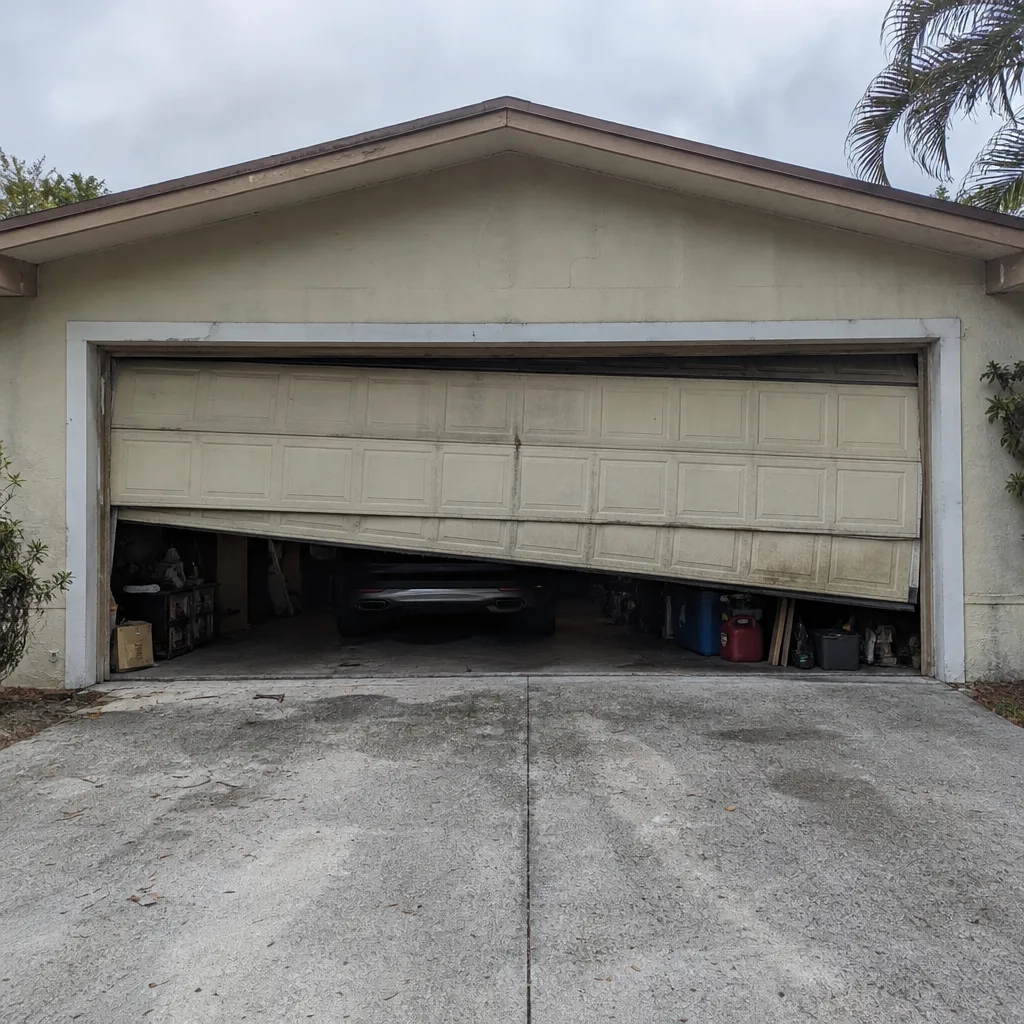 Before
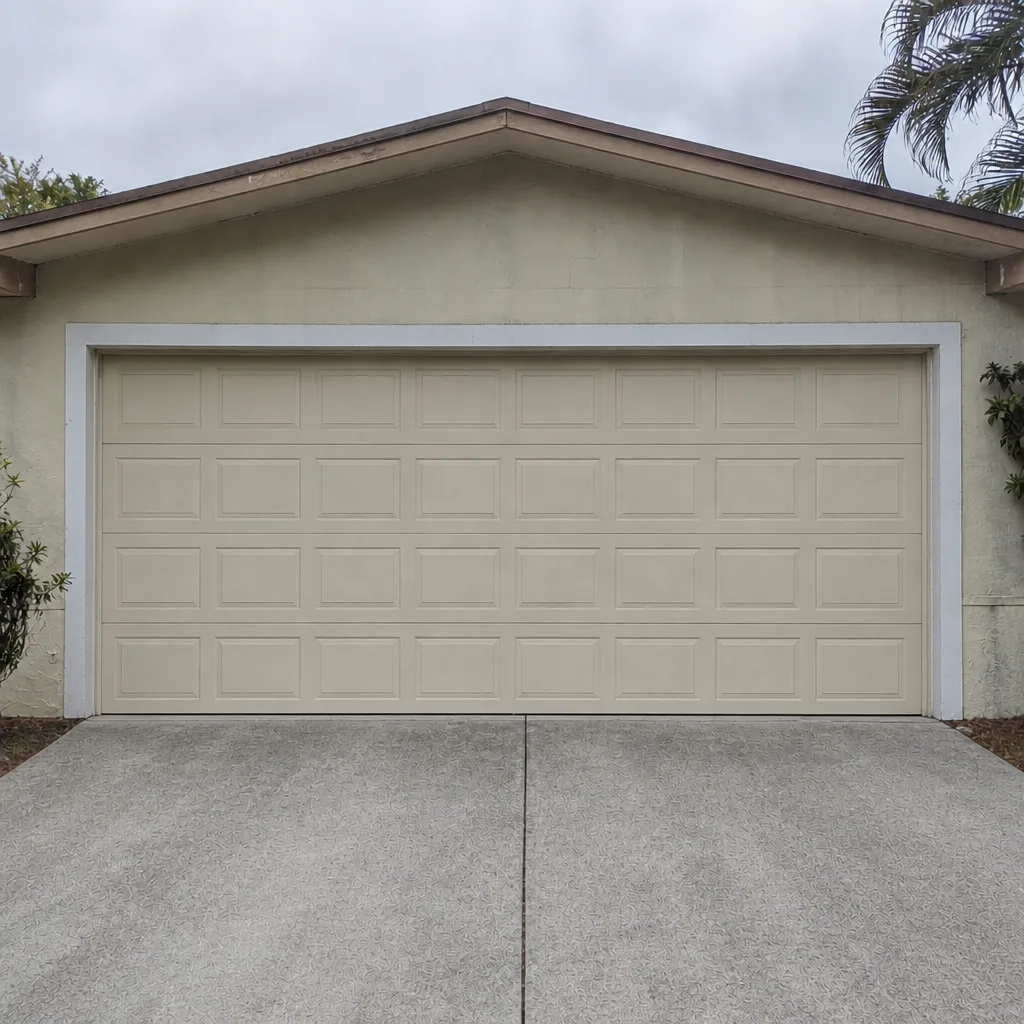 After
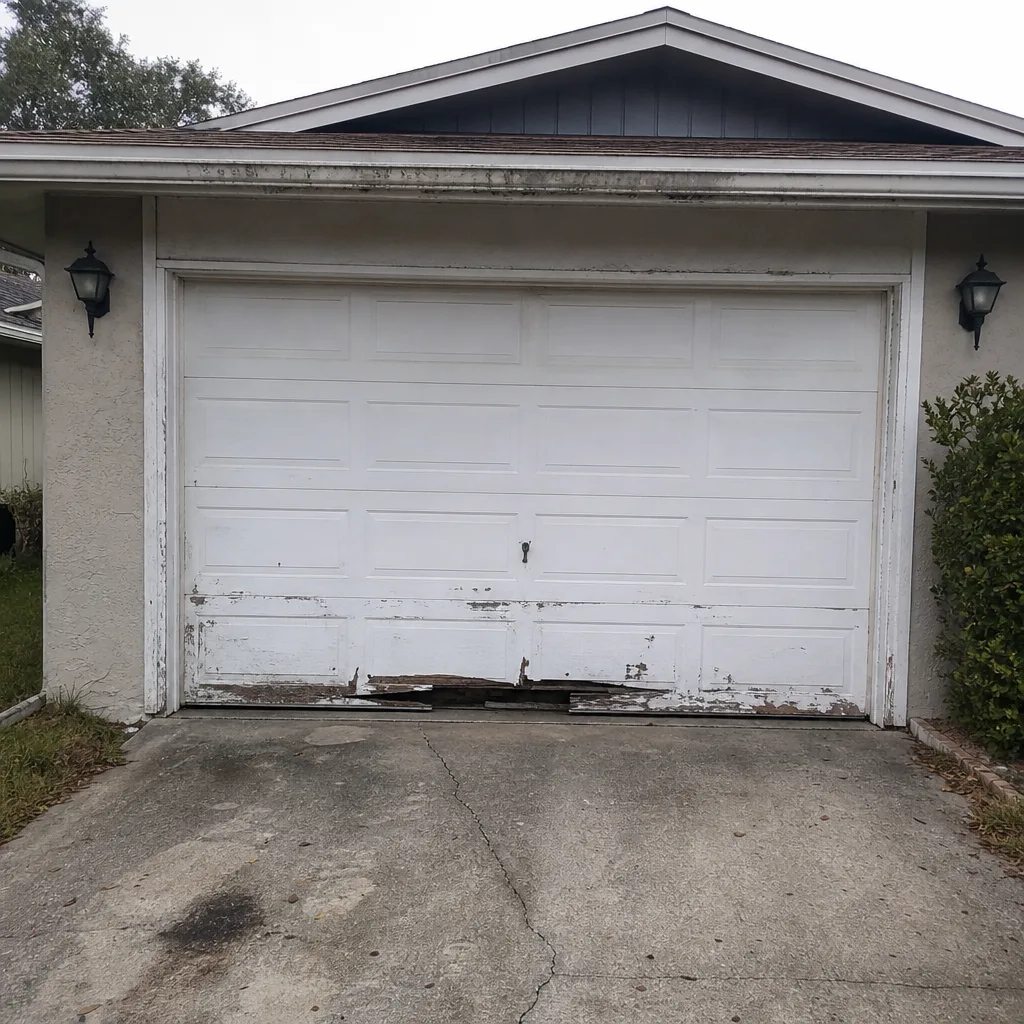 Before
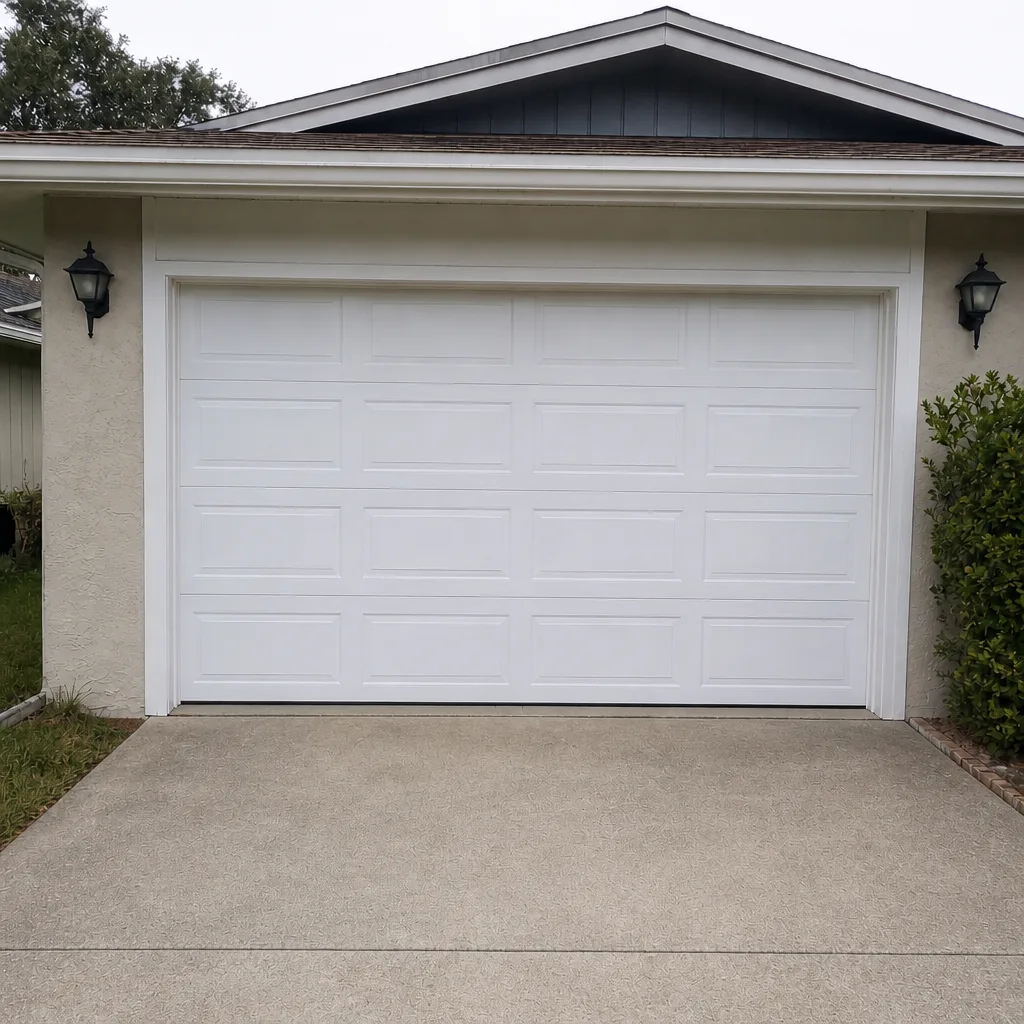 After
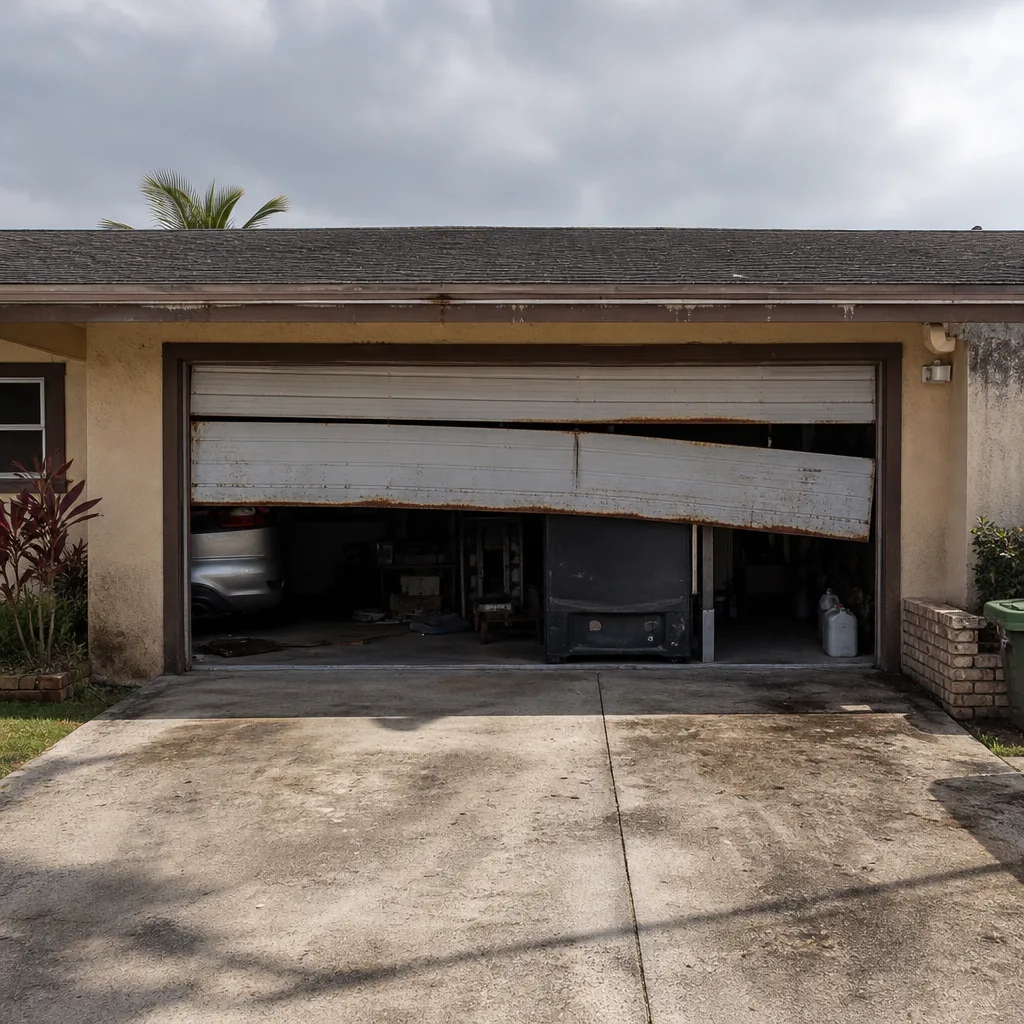 Before
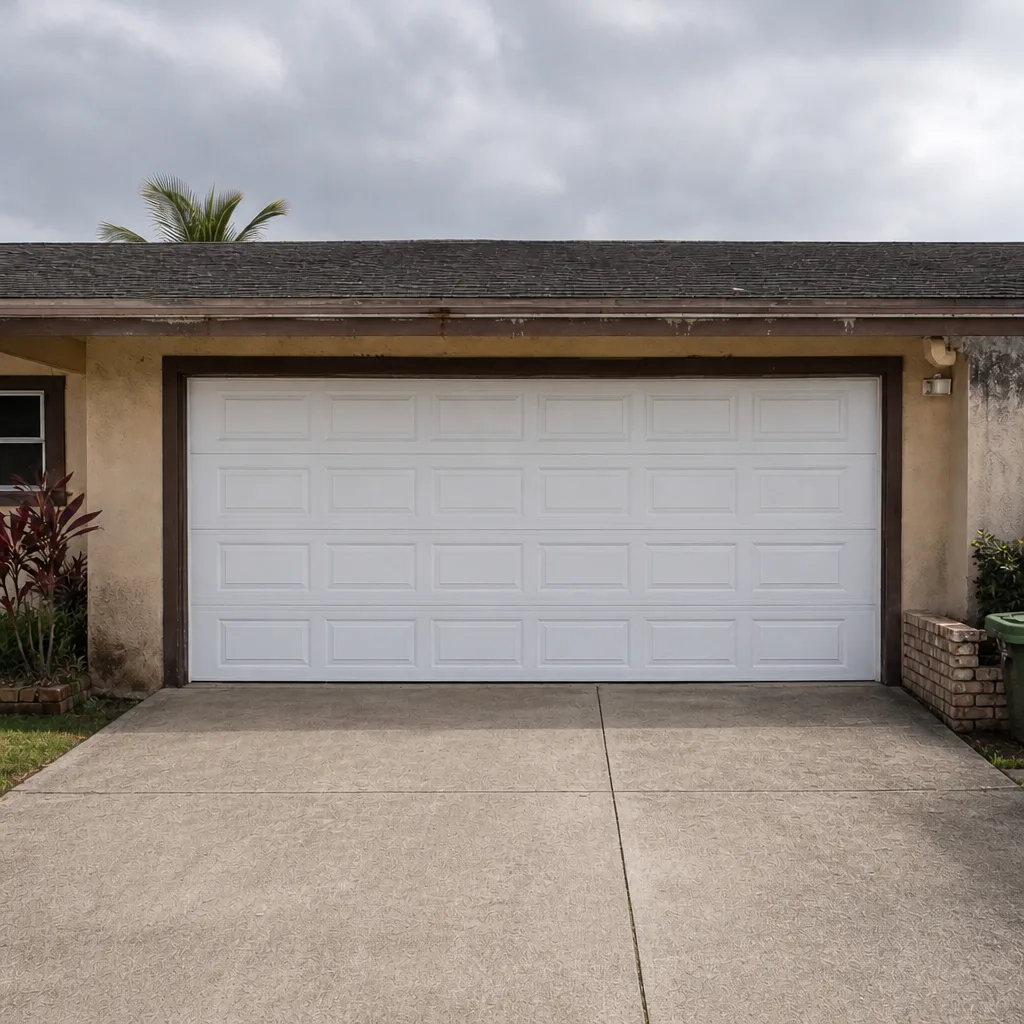 After
When to Call a Professional
You need a professional for code-compliance reasons whenever the door itself is changing, the tracks or spring plates are being replaced, or you’re not sure whether your job requires a permit. Spring and cable work is not a homeowner job, and neither is verifying a wind-load specification for a specific opening. We handle all of it, and we work on the brands already installed on Pompano Beach homes, from Clopay and Amarr to Wayne Dalton, Genie, LiftMaster, Chamberlain, Craftsman, and Raynor. Our technicians have up to 8 years of experience, and the FPA research and permit references are part of our process, not an add-on. Pompano Beach Garage Door Repair Co offers free estimates in Pompano Beach. Call (855) 658-4102. We answer 24/7. Fast dispatch from 7am to 7pm, Sunday through Friday.
Frequently Asked Questions
Yes, in most cases. A full garage door replacement in Pompano Beach requires a permit from the Broward County Building Division, and the new door must carry a Florida Product Approval number that matches your opening’s wind-load requirement. Simple repair work like spring, cable, or opener fixes usually doesn’t need a permit. Call (855) 658-4102 for an exact quote on your job; estimates are free.
A Florida Product Approval number is the state’s record of a specific door model, its hardware, and its installation method. Inspectors use it to verify the door meets the wind-load requirement for your area. A door without a valid FPA number fails inspection regardless of how well it’s installed. If you’re not sure, ask your installer for the FPA in writing before you sign.
It depends on the opening and the required design pressure. Some non-impact doors carry a DP rating high enough for certain residential openings in Broward County, and some don’t. The exact requirement is set by your door’s size and the building’s exposure category. Ask the Pompano Beach building department or a technician to verify against your specific opening.
The most common failures are missing FPA labels, hardware mismatches, and weak header attachments. Three of those four are typically fixable without replacing the door. The only failure that usually requires a new door is a wrong DP rating for the opening size. Call (855) 658-4102 for an exact quote on the correction; estimates are free.
Yes, if you live in a deed-restricted community. HOA approval and the building permit are separate processes, and the HOA review usually comes first because it may restrict the door model or color you can install. Get the HOA sign-off before ordering, then pull the permit with the final door spec.
The local pro we connect you with is licensed and insured as Florida requires. Ask for proof before the job starts, and confirm the permit is being pulled in the licensed contractor’s name. The written estimate sets the final price and is agreed on before any work starts. Call (855) 658-4102 for an exact quote; estimates are free.
The Bottom Line
Garage door codes in Pompano Beach aren’t a technicality. They’re the paper trail that your door meets the wind-load requirement for the opening it covers, and that paper trail is what your insurer and the next buyer will check. Do the HOA review first, verify the FPA number before ordering, pull the permit through the Broward County Building Division, and keep the close-out document. If the door has to be replaced, use a contractor who provides the FPA in writing and treats the permit as part of the job. We work on your existing brand, and when the paperwork gets complicated, we handle it.
Call (855) 658-4102 for a free estimate on your garage door in Pompano Beach. We answer 24/7. Fast dispatch from 7am to 7pm, Sunday through Friday. Every job is quoted and agreed before work starts, and the written estimate is the price.
Written by the team at Pompano Beach Garage Door Repair Co.